Of Liberty and Libraries
The Noel Collection and the spirit of 1776
Published: August 29, 2025
Last Updated: December 1, 2025
Courtesy of the Noel Collection
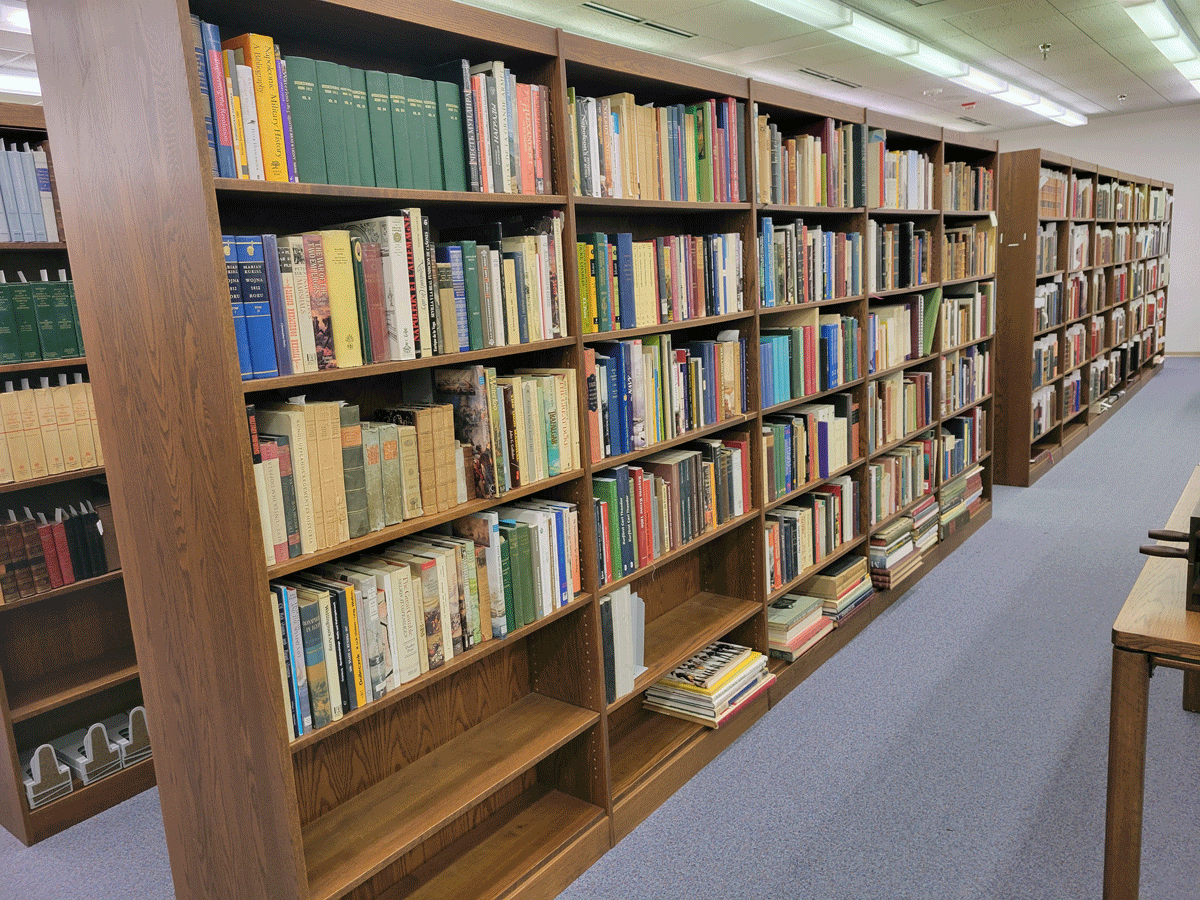
Louisiana State University Shreveport’s Noel Collection includes nearly 250,000 antique books, prints, and maps.
“There is no friend as loyal as a book,” Ernest Hemingway once wrote, a sentiment that resonates deeply with those afflicted by the gentle madness of bibliophilia. The true bibliophile is not merely a collector of spines and covers, but a pilgrim in search of knowledge, mystery, and memory— of the knowledge that books promise, the mystery of what lies between the covers, and the memory of humanity pressed into paper. Each volume added to a personal library becomes a quiet companion, a confidant in solitude, and a key to hidden corridors of the past.
Nowhere is this devotion more vividly embodied than in the life and legacy of James Smith Noel. A teacher, businessman, and above all, a passionate bibliophile, Noel spent decades building one of the largest private collections of antiquarian books, prints, and maps in the United States. His monumental trove—known today as the Noel Collection—is housed at Louisiana State University Shreveport, where it continues to be both a treasure and a mystery. The majority of its contents— estimated between 200,000 and 250,000 items— remain uncatalogued, their full scope yet unknown. The collection is a cabinet of curiosities in the truest sense: over a hundred subject areas coalesce into a vibrant tapestry of human thought and endeavor. There are books on theology and cartography, costume and comedy, natural science and philosophy. Travel narratives sit beside volumes of moral instruction; rare botanical prints share shelves with histories of wit. In recent years, its holdings vastly increased with the addition of more than 3,000 books and over 1,000 prints related to the Revolutionary Era (1750-1850).
The founding generation dreamed in the language of liberty and shaped a republic with all its contradictions and aspirations. Two and a half centuries later, we remain heirs to both their vision and their unfinished business.
And it is precisely that unsettled, revolutionary world which the collection will bring into focus this fall. As the nation celebrates the 250th anniversary of the American Revolution, a moment both commemorative and introspective, the Noel Collection will host a symposium on November 7–8, 2025 gathering some of the most distinguished historians of the era. Scholars such as Andrew O’Shaughnessy, Edward G. Lengel, Holly Mayer, and John Maass will convene in Shreveport to explore the many facets of the Revolutionary period: its military upheavals, its ideological roots, its social tensions, and its enduring legacy. Alongside the symposium, a special exhibition will invite the public to engage with the Revolution through the lens of rare printed materials. Among the highlights is a selection of British periodicals that first printed the text of the American Declaration of Independence—a sobering reminder that this foundational document was once news to the world, consumed and contested by contemporary readers. Another centerpiece is the charming and ingenious Historiscope, a nineteenth-century toy theater designed to teach children about the Revolution through illustrated scenes. The Noel Collection’s Historiscope includes original lithographs depicting colonial and Revolutionary America with both drama and whimsy. Accompanied by a script and promotional materials for a “show,” this piece of pedagogical theater allowed children to animate history with their own hands and voices. In an age of digital consumption, this tactile, storybook method of historical engagement feels especially poignant.
The upcoming events at the Noel Collection are not only a tribute to the past, but also a call to consider what the Revolution continues to mean. The founding generation dreamed in the language of liberty and shaped a republic with all its contradictions and aspirations. Two and a half centuries later, we remain heirs to both their vision and their unfinished business. In reflecting on that inheritance, and in exploring the books and objects that bear witness to it, we begin to answer anew what it means to be a citizen—not only of a nation, but of history itself. The forthcoming symposiums and exhibits should remind us all that historical understanding is not a static possession but a living conversation. And perhaps that is the truest reason to love books: not only for what they contain, but for what they awaken.
Learn more at jsnoelcollection.org.
