Magazine
A Place Called Louisiana
Kevin Rabalais is the 2026 Documentary Photographer of the Year
Published: June 1, 2026
Last Updated: June 1, 2026
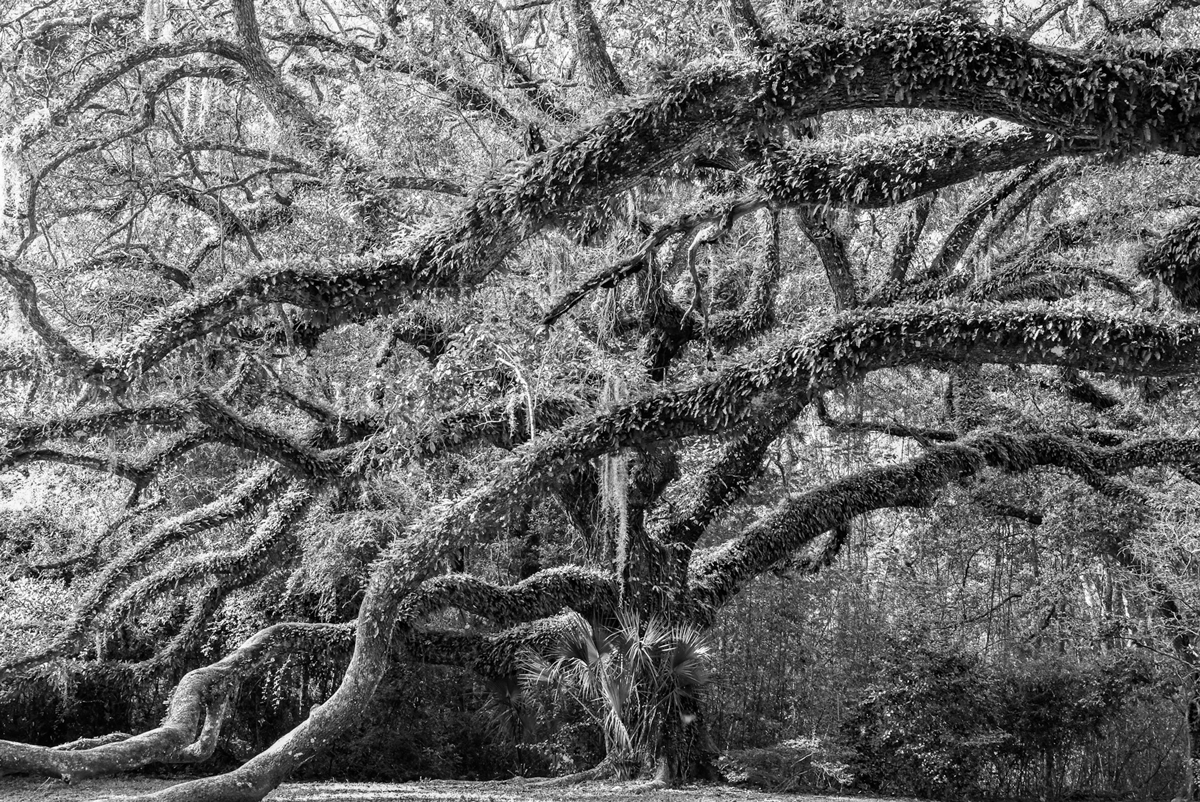
Photo by Kevin Rabalais
The 170-acre Jungle Gardens at Avery Island, a salt dome in Iberia Parish, opened to the public in 1935.
My Breaux Bridge-born grandfather suggested that you can live happily anywhere in the world, though probably not north of Bayou Boeuf in Avoyelles Parish. Heeding that advice, I moved south, first to New Zealand, then to Australia. For thirteen years, most of them after Hurricane Katrina, I scooted around Melbourne on a bicycle with a sticker reminding me to “Be a New Orleanian. Wherever You Are.”
One day, I cycled across town and saw a photograph that changed my life. Sebastião Salgado’s 1986 work from Brazil’s Serra Pelada gold mine seemed delivered straight from the Old Testament. It addressed me like the final line of Rilke’s poem: “You must change your life.” I started walking a camera much as I would walk a dog.
“The camera is an instrument that teaches people how to see without a camera,” wrote the American photographer Dorothea Lange. The camera is also a passport. It permits entry into other lives. It’s given me the unyielding recognition that those lives will always be more interesting than my own.
Months after my first taste of Salgado, home at last, I spotted a stack of hoop nets, each six feet in diameter, outside of Bordelonville. The camera provides courage. I stopped. One connection led to another, that great Louisiana way, and soon I sped along the Atchafalaya River with fishermen and 4,000 pounds of buffalofish. I met other fishermen, farmers, conservationists, custodians of culture, men and women whose lives and work the camera taught me to see in new ways—the camera and its urgent demands: Pause. Notice. Linger among those you live among. Behold their dignity.
The Jesuits implore us to search for grace and beauty in the everyday. Grace and beauty are, of course, always present, even when we are not. The camera instructs in the art of discernment. Its privilege allows the photographer to pluck a moment from time and offer it to the distracted world.
One day while still living in Australia, I woke to news of a local politician complaining of humdrum geographical names in his country. Who, he asked, wouldn’t want to be from a place called Louisiana? Some stretch the name to five syllables, others, four. In either case, the people my camera and I have had the good fortune to encounter in this state continually reveal that it’s a place name worthy of a library’s worth of epic poems. I wouldn’t want to do this work anywhere else.
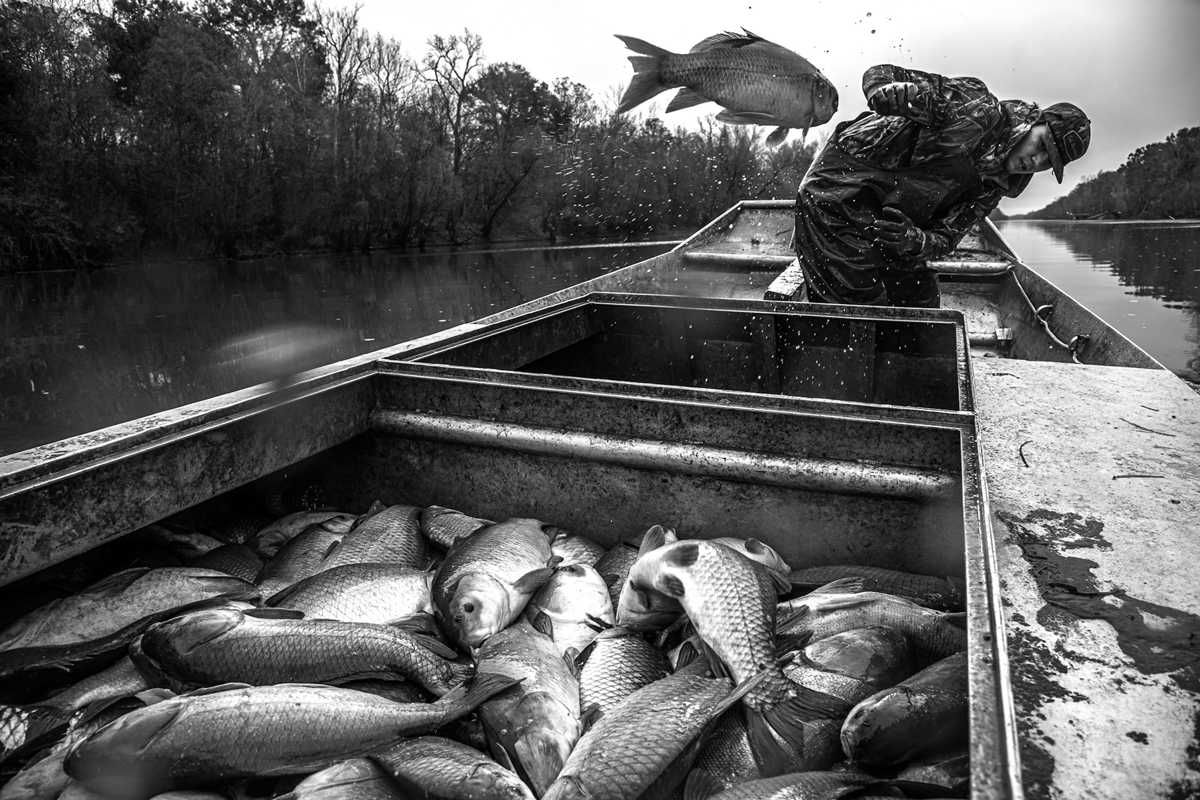
Commercial fisherman Carson Kimble sorts buffalofish in the Atchafalaya Basin.
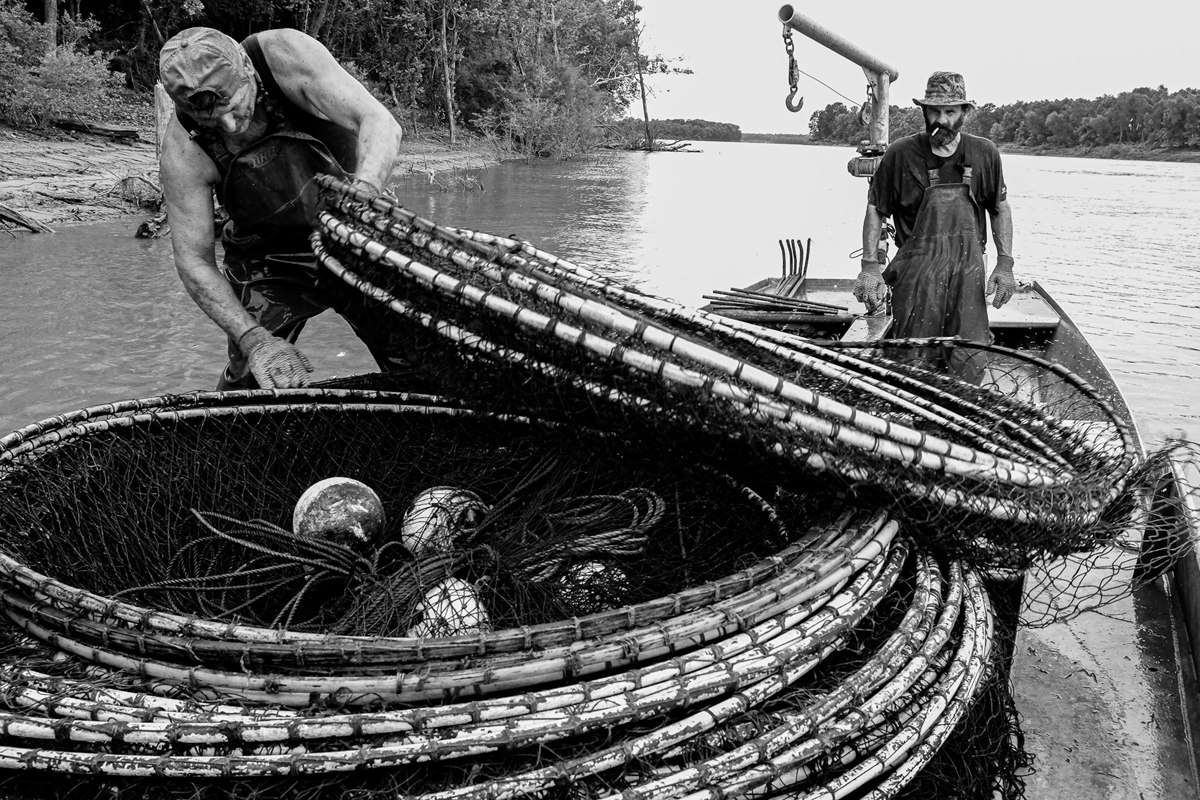
Hoop net fishermen Paul Daigrepont and Clarence Coco work the Atchafalaya River near Simmesport.
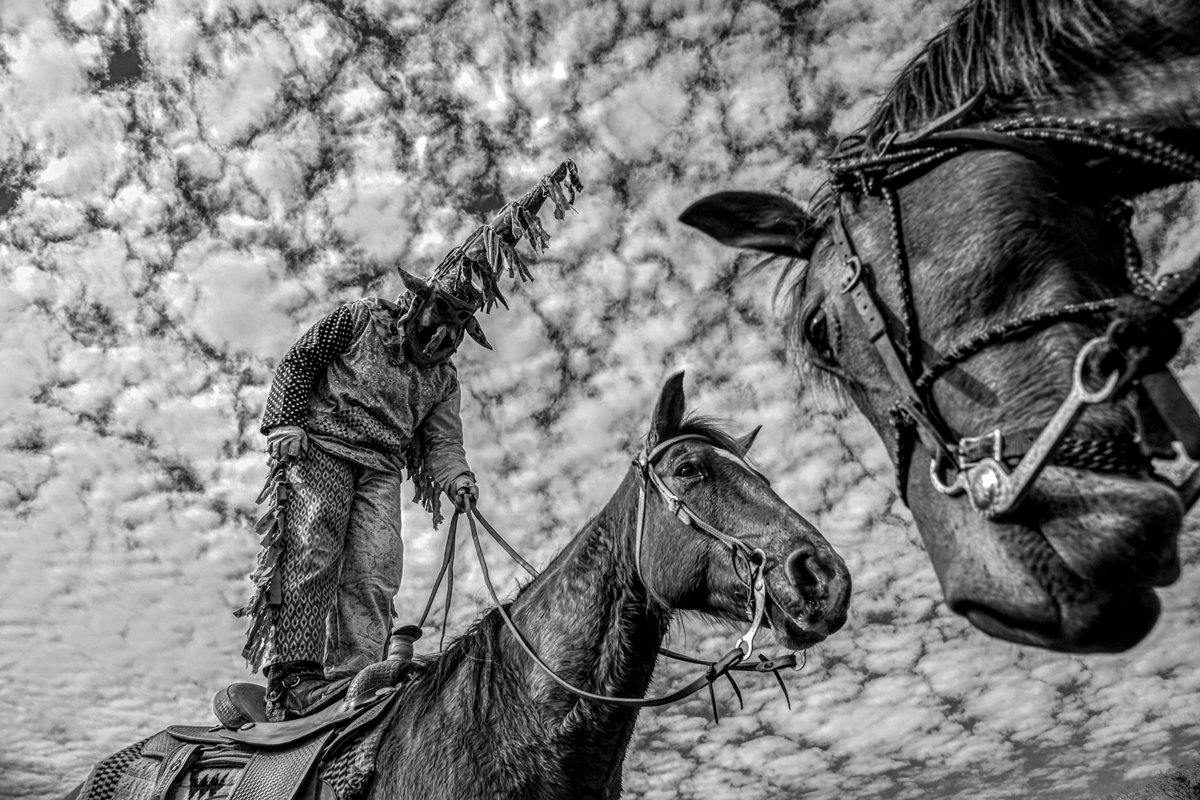
the Lejeune Cove Courir de Mardi Gras in Acadia Parish.
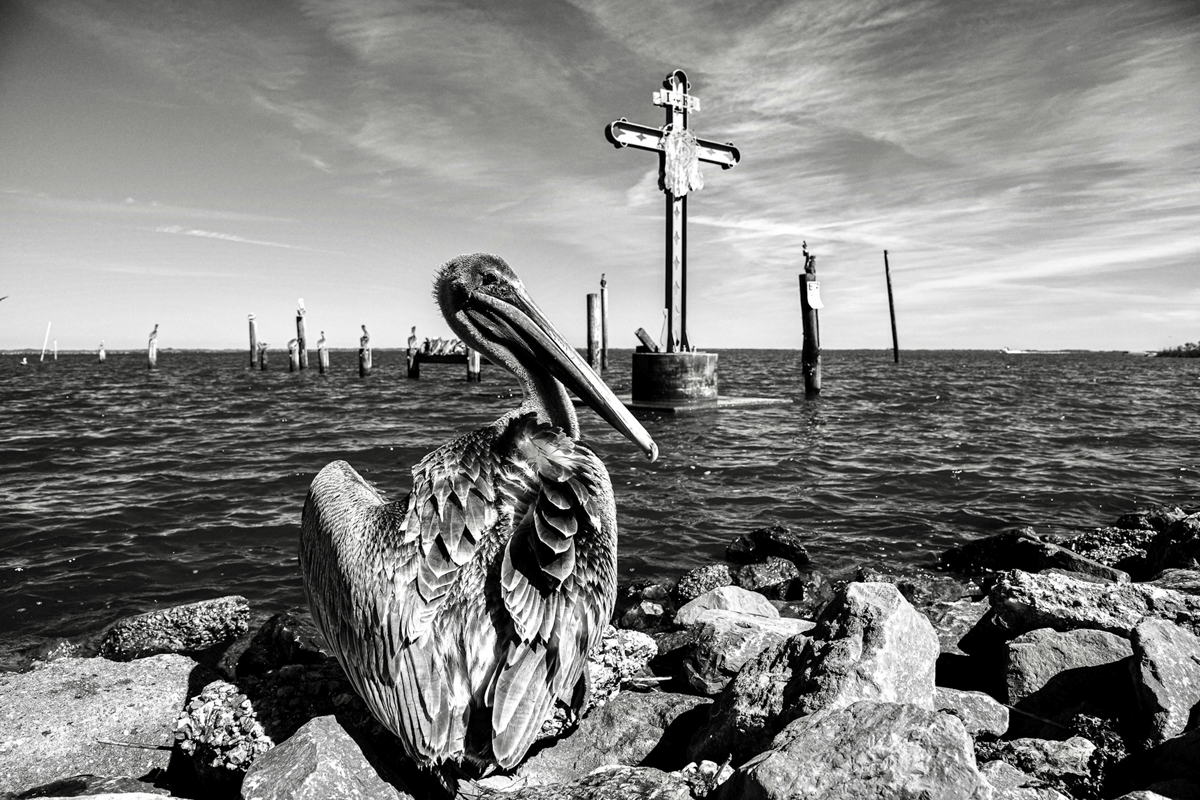
The Hurricane Katrina Memorial Cross rises at Shell Beach in St. Bernard Parish, commemorating the 163 lives lost during the 2005 storm.
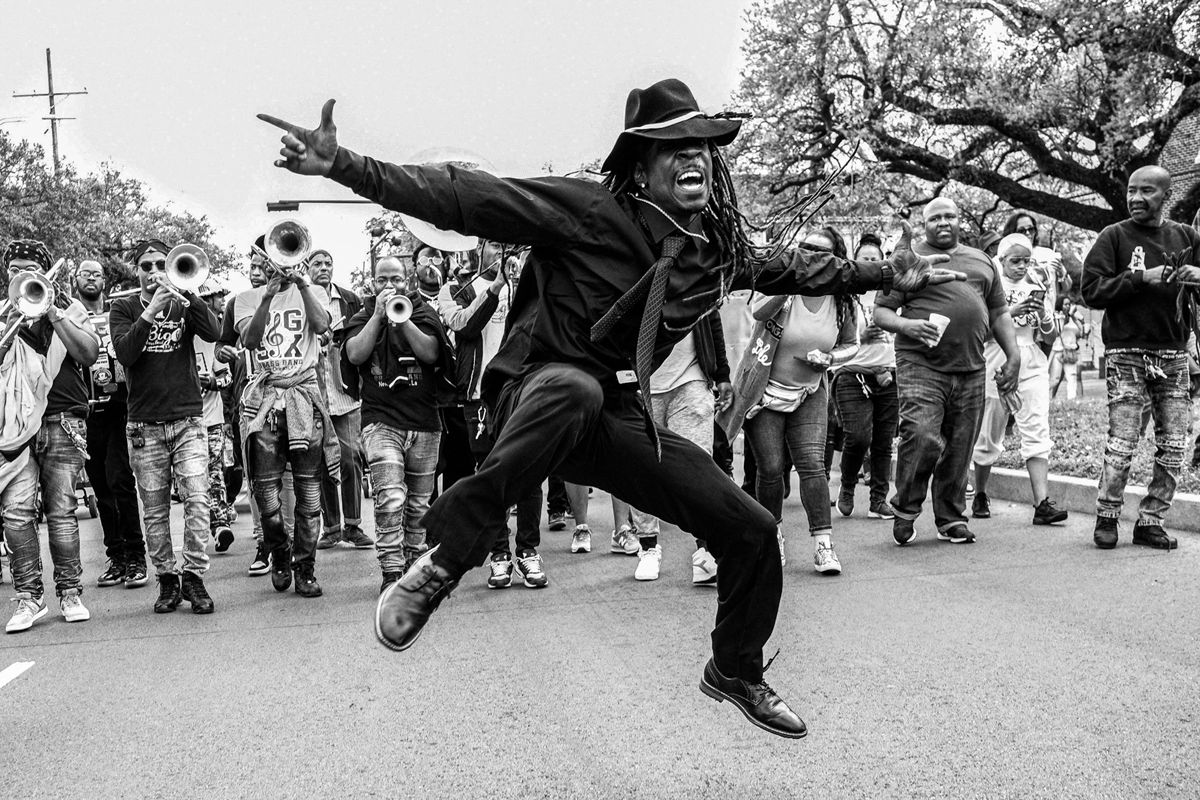
A dancer leads the Ladies of Unity Social Aid and Pleasure Club along Louisiana Avenue in New Orleans, several days before the pandemic shutdown.
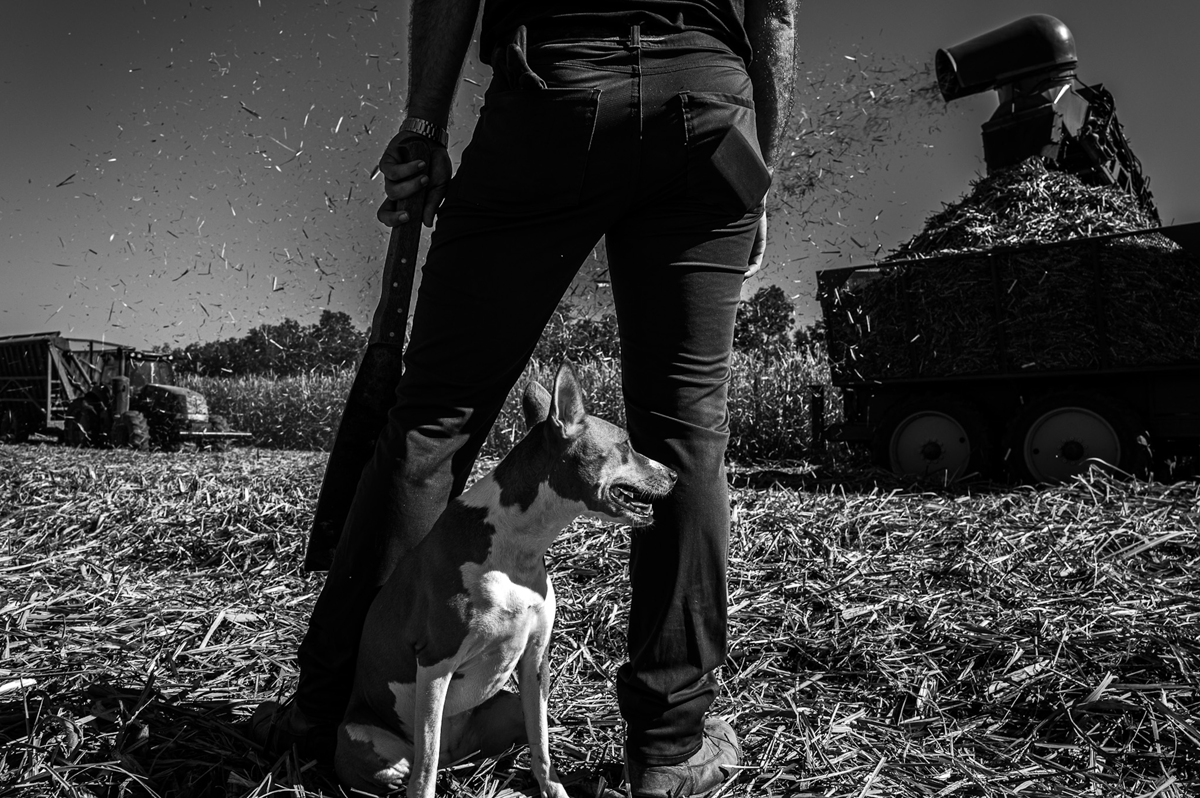
Brayden Blanchard and Audi inspect sugarcane grinding in St. Martin Parish.
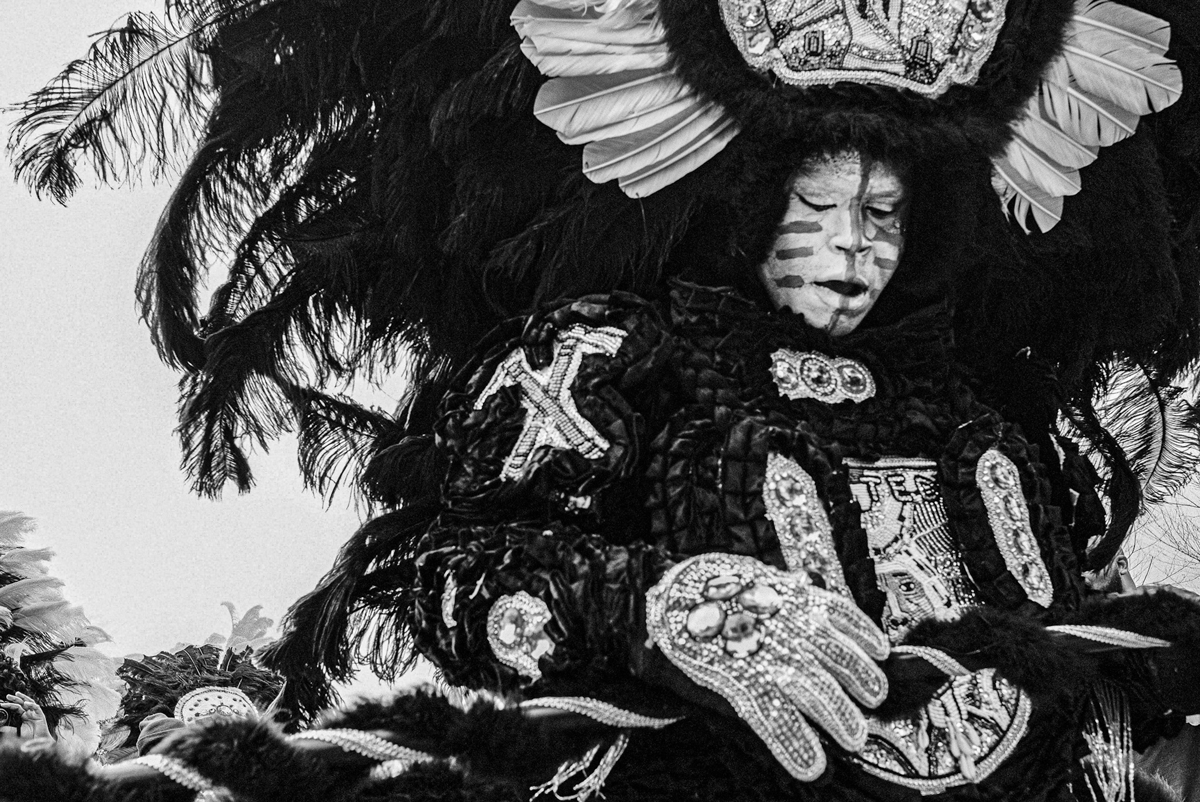
Brayden Blanchard and Audi inspect sugarcane grinding in St. Martin Parish.
Kevin Rabalais, an Avoyelles Parish native, has had work published in The Los Angeles Review of Books, The Australian, the New Zealand Listener, and the Argentine magazine Revista Ñ. He teaches in the Department of English at Loyola University New Orleans.