1.8 b. Zydeco
The accordion and rubboard are the lead instruments in this musical form.
The accordion and rubboard are the lead instruments in this musical form.

This historic building in New Orleans has played an important role in Louisiana’s government and is now a museum.

This spicy sauce is made in Louisiana and sold around the world.

Beignets are a powdered sugar–covered treat.
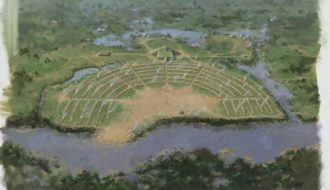
Poverty Point in Louisiana, one of the most significant archaeological sites in in the world, dates to 3,500 years and represents the largest, most complex settlement of its kind in North America.
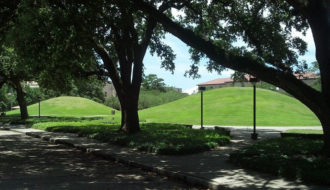
During the Archaic period, people from the Evans culture built large mounds made of dirt.
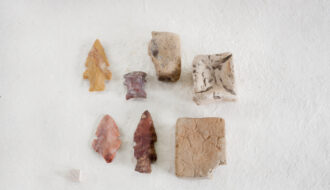
By studying artifacts, archaeologists know that people were in Louisiana at least 13,000 years ago.
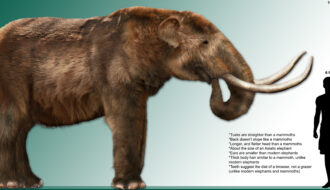
People from the Clovis culture and San Patrice culture were some of Louisiana’s earliest inhabitants.
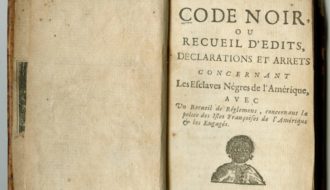
Enslaved Africans and people of African descent played key roles in nearly every aspect of the development of Louisiana.
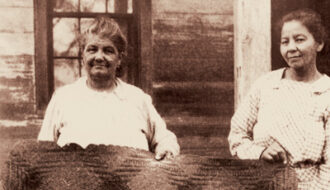
The Chitimacha Tribe is the only federally recognized tribe in Louisiana to still occupy part of its ancestral territory.
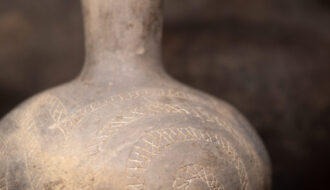
The Tunica people, skilled traders and entrepreneurs who engaged with French colonists in the eighteenth century, merged with several other historical Louisiana tribes in the twentieth century.
The Code Noir provided rules for how colonists treated enslaved people as well as how people of European and African ancestry interacted in French colonial Louisiana.
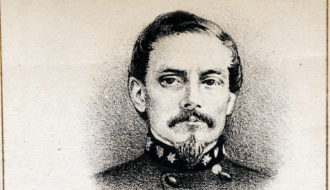
Louisiana native Pierre Gustave Toutant Beauregard was a prominent Confederate general.
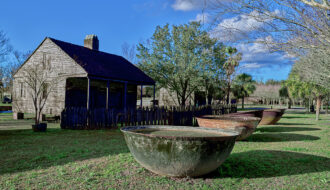
During the antebellum period, Louisiana relied on the forced labor of enslaved people to work sugar and cotton plantations.
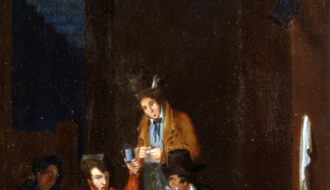
Two French brothers notorious for smuggling and slave trading also participated in the Battle of New Orleans.
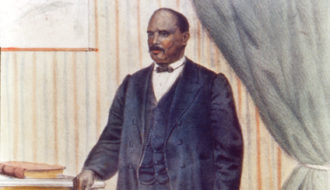
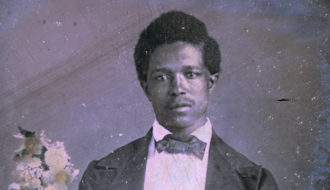
Oscar James Dunn became one of the first Black men in the United States to serve in an executive political position when he was elected lieutenant governor of Louisiana in 1868.

When Hurricane Camille made landfall in 1969, it devastated communities and caused widespread damage to Louisiana’s oil and gas infrastructure.
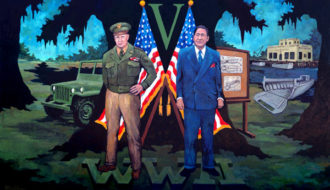
The Second World War allowed for economic growth and increased opportunities for women and African Americans in Louisiana.

The Federal Art Project and Federal Writers Project helped employ out-of-work artists and writers during the Great Depression.
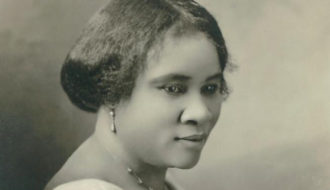
Born in Delta, Louisiana, in 1867, hair care and cosmetics mogul Madam C. J. Walker was the first African American millionaire.
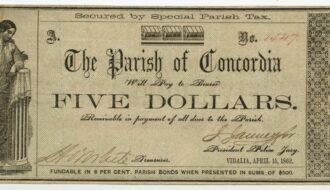
This distinct form of government exists in more than half of Louisiana’s parishes.
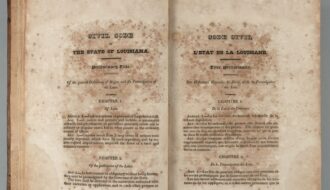
The French Civil Code of 1804 standardized civil law in France, becoming a model legal framework for jurisdictions around the world, including Louisiana.
The Tunica-Biloxi Tribe is one of only four American Indian groups in Louisiana recognized by the federal government.
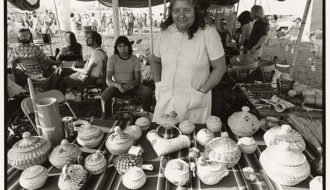
The Coushatta Tribe of Louisiana is the largest of four federally recognized tribal governments in Louisiana.
One-Year Subscription (4 issues) : $25.00
Two-Year Subscription (8 issues) : $40.00