8.9 j. Jim Crow and Segregation
After the Civil War, African Americans gained some political rights and power before having them taken away again during the era of Jim Crow laws and segregation.
After the Civil War, African Americans gained some political rights and power before having them taken away again during the era of Jim Crow laws and segregation.
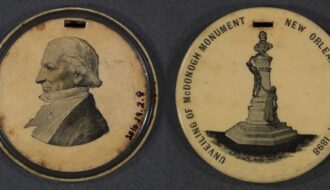
Businessman and real estate investor whose extensive involvement with slavery complicates his legacy as a benefactor of public education.
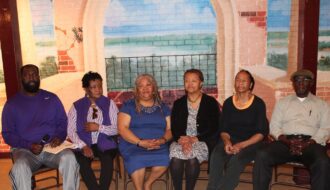
Desegregation efforts in Tangipahoa Parish began in 1965 when M. C. Moore and Henry Smith filed a lawsuit against the parish school board calling for a racially integrated and unified school system.
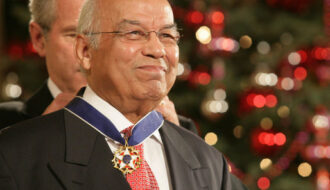
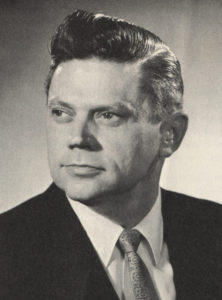
Educator and civil rights leader Norman C. Francis served as president of Xavier University of Louisiana for forty-seven years.
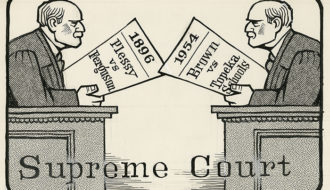
A US Supreme Court decision handed down in 1896 enacted “separate but equal” as the law of the land, a doctrine of racial segregation that lasted nearly six decades.
One of Louisiana’s most famous legal cases, Plessy v. Ferguson joins Dred Scott v. Sanford (1857) and Brown v. Board of Education of Topeka, Kansas (1954) as key rulings on the US civil rights timeline.
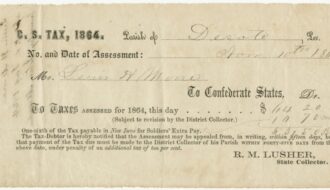
Confederate official and Reconstruction-era Superintendent of Education for the State of Louisiana

Smithridge, a historically Black community founded after the Civil War by formerly enslaved people, has long served as a communal and economic hub for African Americans in southeast Louisiana.
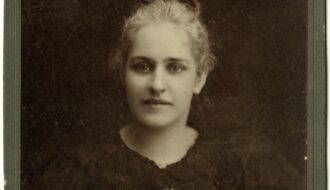
A New Orleans educator and civic activist who embodied the complexities and racialized limits of white southern Progressivism.
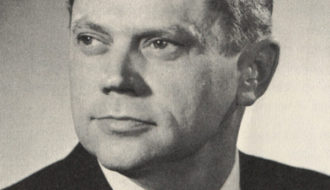
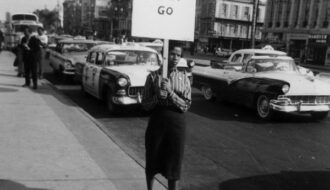
Politician Willie Rainach was one of Louisiana's most vigorous opponents of desegregation.
One-Year Subscription (4 issues) : $25.00
Two-Year Subscription (8 issues) : $40.00