Peoples of Louisiana

Receiving Communities
A receiving community is a city, town, or neighborhood that accommodates people displaced by a disaster.
A receiving community is a city, town, or neighborhood that accommodates people displaced by a disaster.
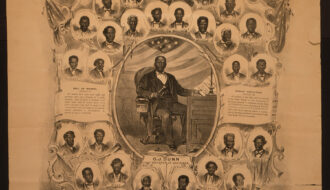
The post-Civil War period is known as the Reconstruction era, when the former Confederacy was brought back into the Union.
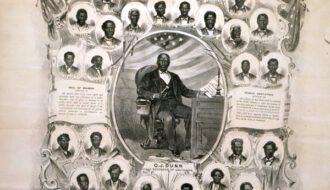
The post-Civil War period in US history is known as the Reconstruction era, when the former Confederacy was brought back into the Union.
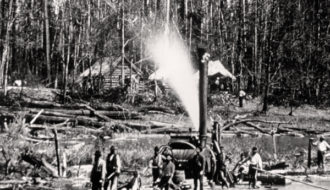
The Great Raft was a thousand-year-old logjam in the Red River that prevented transportation downriver to New Orleans.
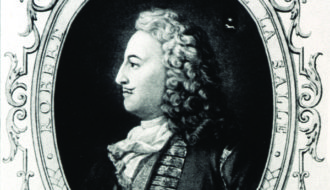
French explorer Rene-Robert Cavelier, sieur de La Salle, is perhaps best known for giving the region and ultimately the state its name: Louisiana.
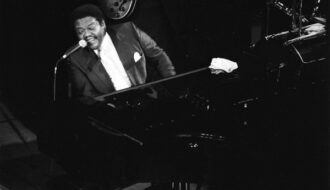
The rhythm and blues (R&B) music heritage in Louisiana includes a wide variety of styles, beginning in the 1940s and continuing until today.
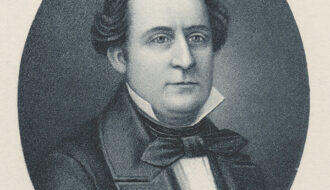
Democrat Robert Wickliffe, who served as the governor of Louisiana from 1856 until 1860, oversaw the state in the increasingly tumultuous years before the Civil War.
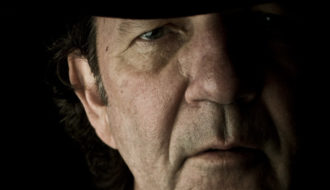
Rock music in Louisiana grew out of several genres of roots music: blues, rhythm and blues, Cajun, and zydeco.

Rockabilly is a genre of music that derived from early rock 'n' roll, with a country-music flavor.

The rougarou is one of the most well-known figures in South Louisiana folklore.

As governor of Louisiana from 1916 until 1920, Democrat Ruffin G. Pleasant oversaw Louisiana’s efforts during World War I (1914-1918).
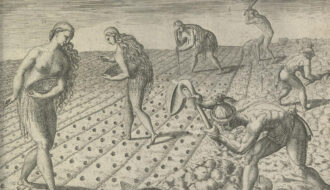
Entry describes sagamité, a range of cornmeal-based soups, stews, and porridges with Native American origins that became a common component of French colonial cuisine.
One-Year Subscription (4 issues) : $25.00
Two-Year Subscription (8 issues) : $40.00