Peoples of Louisiana
Tunica-Biloxi Tribe
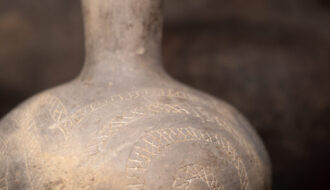
The Tunica-Biloxi Tribe is one of only four American Indian groups in Louisiana recognized by the federal government.
The Tunica-Biloxi Tribe is one of only four American Indian groups in Louisiana recognized by the federal government.
The Tunica people, skilled traders and entrepreneurs who engaged with French colonists in the eighteenth century, merged with several other historical Louisiana tribes in the twentieth century.
The Tunica-Biloxi Tribe is one of only four American Indian groups in Louisiana recognized by the federal government.
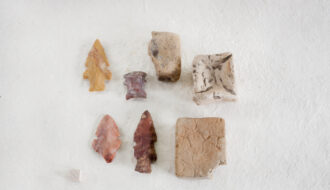
By studying artifacts, archaeologists know that people were in Louisiana at least 13,000 years ago.
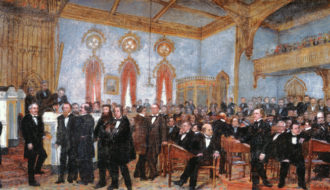
Contrary to conventional assumptions, many Louisianans opposed secession and the Confederacy during the Civil War.
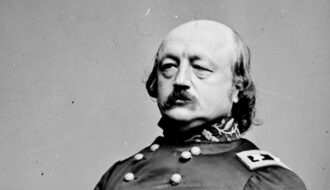
Five thousand to ten thousand white Louisianans fought for the Union during the Civil War.
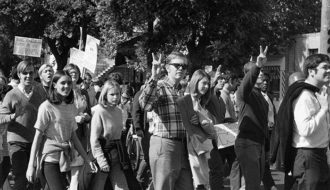
The war in Vietnam polarized the people of Louisiana just as it polarized people across the country.

White gospel music, also known as Southern gospel, represents a widespread aspect of US culture.
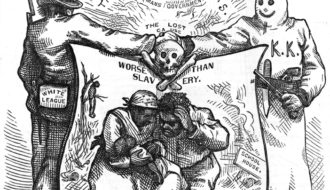
A paramilitary organization aligned with the Democratic Party, the White League played a central role in the overthrow of Republican rule and intimidation of African Americans in Louisiana during Reconstruction.
A paramilitary organization aligned with the Democratic Party, the White League played a central role in the overthrow of Republican rule and intimidation of African Americans in Louisiana during Reconstruction.
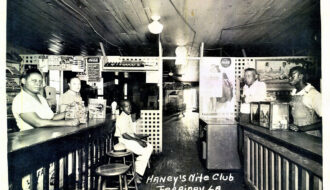
William Haney operated Haney’s Big House, a café, bar, and nightclub that showcased Black artists from across the South.
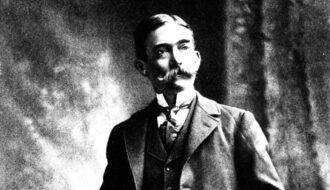
Democrat William Heard, an accountant and banker, won the governorship in 1900 with strong support from Murphy J. Foster, his predecessor.
One-Year Subscription (4 issues) : $25.00
Two-Year Subscription (8 issues) : $40.00