Archaeology
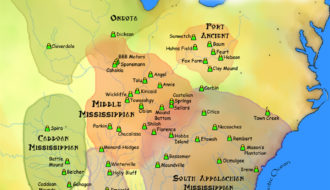
Plaquemine Culture
This entry covers the Plaquemine culture in the Lower Mississippi River Valley during the Mississippi period, 1200 to 1700 CE
This entry covers the Plaquemine culture in the Lower Mississippi River Valley during the Mississippi period, 1200 to 1700 CE
Louisiana poetry ranges from early francophone works to contemporary compositions.
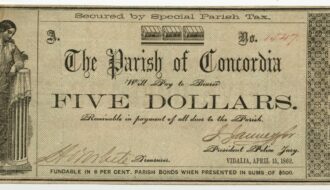
A distinct form of government exists in over half of Louisiana parishes
This distinct form of government exists in more than half of Louisiana’s parishes.
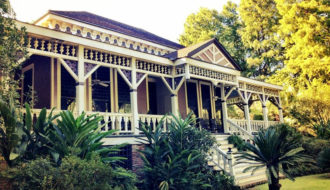
The Poplar Grove Plantation house was originally built for the 1884 World's Industrial and Cotton Centennial Exposition in New Orleans before being transported on a barge to Port Allen.
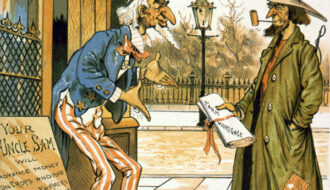
In the late nineteenth century, Populist Party advocates railed against the prevailing system and urged cooperation among oppressed peoples to secure reform.
In the late 1800s Americans witnessed a period of rapid industrialization and political transformation that drew some Louisianans to the Populist movement.

The praline, a confection made of sugar and nuts, is a representative dish of the Franco- and Afro-Creole Atlantic diasporas.
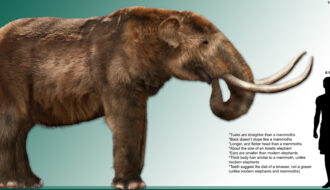
This entry covers the Pre-Clovis and Clovis cultures during the Early Paleoindian Period, 11500–9500 BCE, and Middle Paleoindian Period, 9500 BCE–8800 BCE.
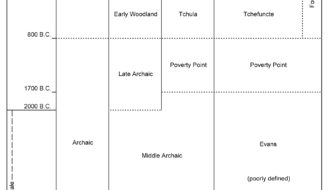
This entry explores the history of American Indian life in Louisiana from 11,500 BCE to 1700 CE through the study of prehistoric archaeology.
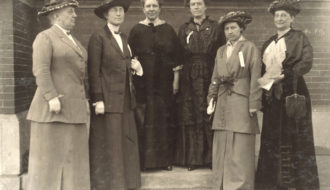
The Progressive movement that swept across the United States at the turn of the twentieth century brought changes to many of the nation's social and political institutions, including those in Louisiana.
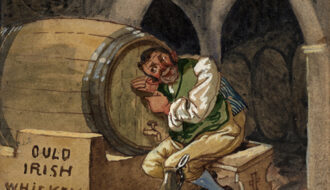
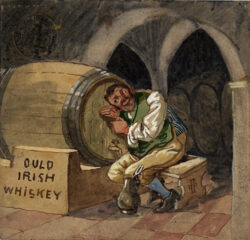
Louisiana reluctantly became subject to prohibition, the effort to eliminate alcoholic drinks, as a result of the 1920 federal law commonly known as the Volstead Act.
One-Year Subscription (4 issues) : $25.00
Two-Year Subscription (8 issues) : $40.00