Music
Peter Bocage
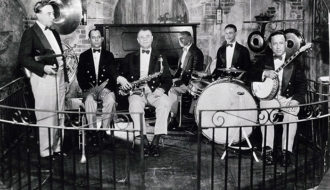
Peter Bocage was a jazz musician active in brass bands and second line parades in the early twentieth century.
Peter Bocage was a jazz musician active in brass bands and second line parades in the early twentieth century.
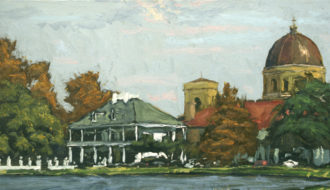
New Orleans artist Phil Sandusky describes his subject matter as "mundane" and "ordinary"–a shotgun house, cars parked on narrow streets, a sidewalk busy with shoppers.
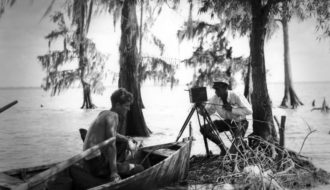
Native-born and out-of-state photographers alike have been drawn to Louisiana's swamps and bayous, its historic architecture, its Cajun and Creole cultural traditions, and its diverse and complex society.
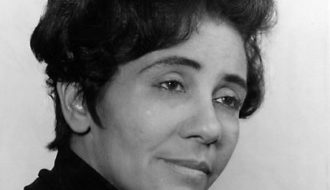
Celebrated poet and educator Pinkie Gordon Lane was Louisiana’s first Black poet laureate.
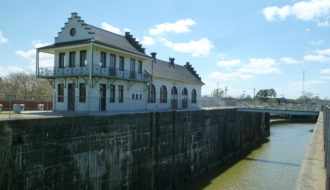
The Bayou Plaquemine Lock once allowed ships to pass from the Mississippi River through the bayou to Louisiana's interior.
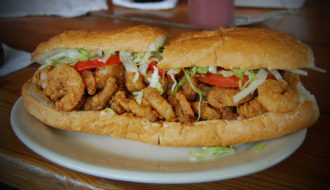
The so-called poor boy (po-boy) sandwich originated from the Martin Brothers' French Market Restaurant and Coffee Stand in New Orleans during the 1929 streetcar strike.
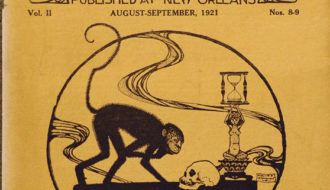
Louisiana poetry ranges from early francophone works to contemporary compositions.
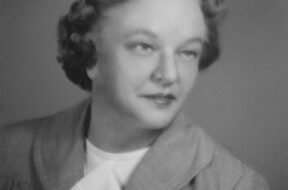
Margeret "Pokey" McIlhenny was a New Orleans civic leader whose interests were politics, education, and public television.
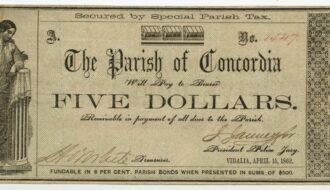
This distinct form of government exists in more than half of Louisiana’s parishes.
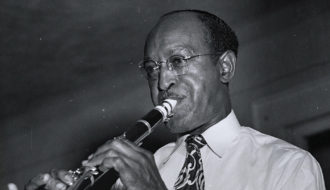
New Orleans jazz clarinetist Paul “Polo” Barnes performed frequently at Preservation Hall in the 1960s.
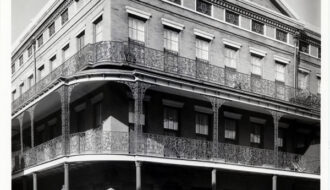
Baroness Pontalba's buildings on Jackson Square changed the haphazard design into a viable public area.
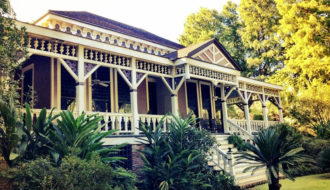
The Poplar Grove Plantation house was originally built for the 1884 World's Industrial and Cotton Centennial Exposition in New Orleans before being transported on a barge to Port Allen.
One-Year Subscription (4 issues) : $25.00
Two-Year Subscription (8 issues) : $40.00