Literature
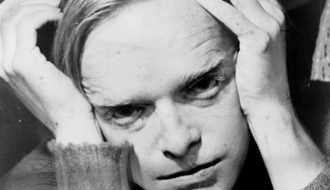
Truman Capote
New Orleans-born author Truman Capote wrote the first nonfiction novel, "In Cold Blood" in 1966.
New Orleans-born author Truman Capote wrote the first nonfiction novel, "In Cold Blood" in 1966.
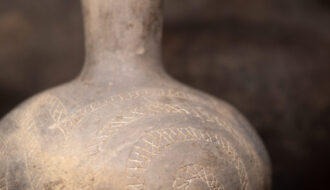
The Tunica-Biloxi Tribe is one of only four American Indian groups in Louisiana recognized by the federal government.
Turner Browne, a still photographer and cinematographer, is best known for "Louisiana Cajuns/Cajuns de la Louisiane," published in 1977.
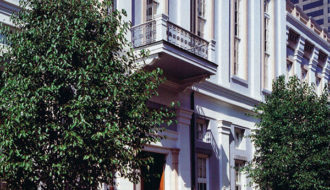
Once a German social hall in New Orleans, Turners' Hall was purchased in 2000 by the Louisiana Endowment for the Humanities to serve as the Louisiana Humanities Center.
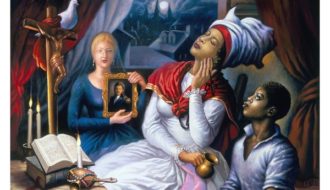
Ulrick Jean-Pierre, a New Orleans resident since the early 1990s, creates lush historical paintings of his native Haiti many infused with representations of the centuries-old connections between Haiti and his adopted city.
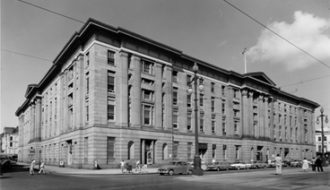
The US Custom House at the foot of Canal Street in New Orleans is one of the most significant mid-nineteenth-century buildings in the nation.
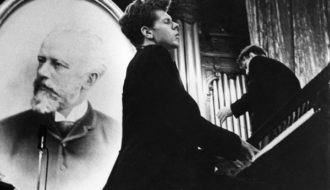
Pianist Harvey Lavan “Van” Cliburn, Jr. established the Van Cliburn International Piano Competition, which has become one of the best-known classical music contests in the United States.
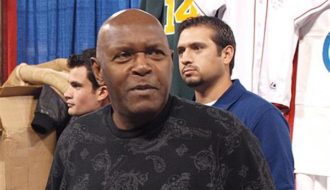
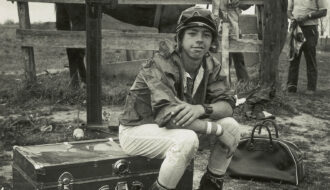
Louisiana pitcher Vida Blue became an award-winning baseball player for the Oakland Athletics.
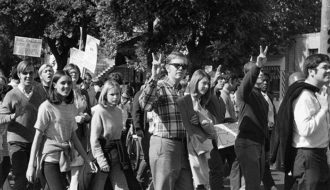
The war in Vietnam polarized the people of Louisiana just as it polarized people across the country.
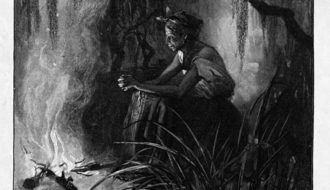
Voudou, a synthesis of African religious and magical beliefs with Roman Catholicism, emerged in New Orleans in the 1700s and survives in active congregations today.
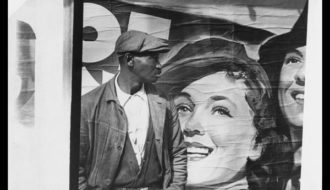
Walker Evans, recognized as the preeminent photographer of his generation, created many of his iconic images in New Orleans and along Louisiana's River Road.
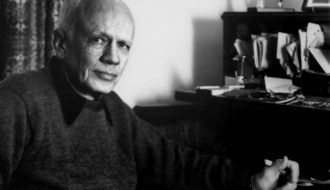
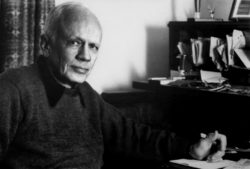
Walker Percy incorporated the culture and traditions of Louisiana in particular, and the South in general, into his literary work.
One-Year Subscription (4 issues) : $25.00
Two-Year Subscription (8 issues) : $40.00