History
Willie Piazza
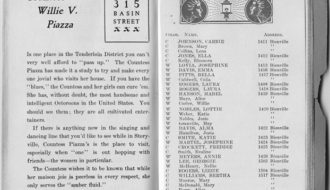
Willie Piazza was one of the most successful madams in the Storyville vice district of New Orleans until it was closed in 1917.
Willie Piazza was one of the most successful madams in the Storyville vice district of New Orleans until it was closed in 1917.
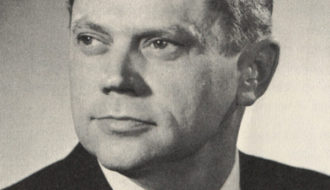
Politician Willie Rainach was one of Louisiana's most vigorous opponents of desegregation.
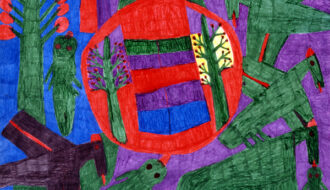
Willie White was a nationally recognized self-taught artist who used felt-tip markers to render whimsical organic forms in flat, bold planes of color.
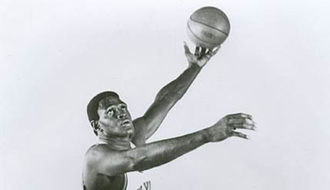
NBA player Willis Reed first garnered national attention as a standout at Grambling State University.
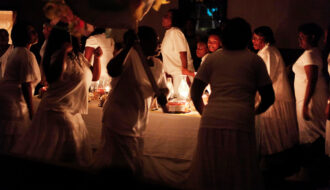
Held on the Saturday before Easter Sunday, this women-led vigil includes counterclockwise percussive foot movement and call-and-response singing.
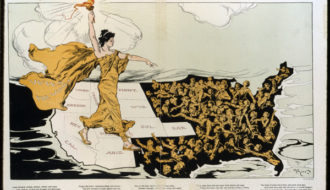
The movement for women's rights in Louisiana started with benevolence work in church groups and progressed to the campaign for woman suffrage.
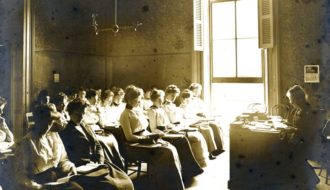
Louisiana women have written about life in the state since before the Civil War, presenting their views of its unique society and landscape.
Inspired by social justice and protest movements percolating across the country in the 1960s, Second Wave feminists sought liberation and equal rights for women.
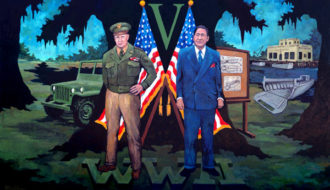
The Second World War allowed for economic growth and increased opportunities for women and African Americans in Louisiana.
Like the rest of the nation, Louisiana experienced many changes during World War II. Federal spending helped boost the state’s economy and new employment opportunities proliferated.
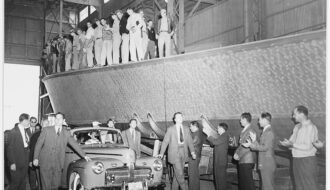
The United States’ entry into World War II spurred Louisiana’s recovery from the economic doldrums of the Great Depression.
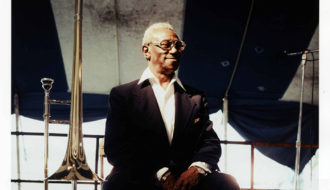
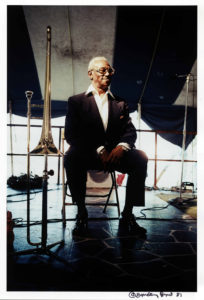
Nicknamed for his tricks as a “show drummer,” Worthia G. “Showboy” Thomas was a New Orleans traditional jazz, brass band, and rhythm and blues trombonist, drummer, and tuba player.
One-Year Subscription (4 issues) : $25.00
Two-Year Subscription (8 issues) : $40.00