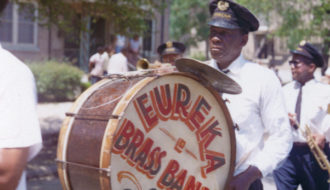
1.8 b. Traditional New Orleans Jazz
Experimenting and improvising are important parts of this American musical form.
Experimenting and improvising are important parts of this American musical form.

Beignets are a powdered sugar–covered treat.
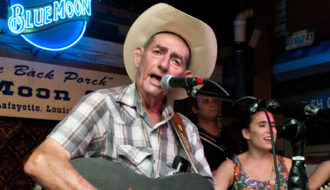
Louisiana’s Cajun music has been influenced by a rich blend of musical traditions.
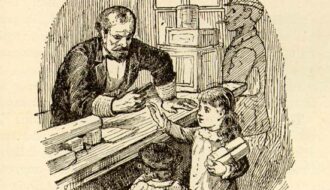
A popular term in Louisiana usually tied to the gifting of something small—or a little something extra—with a purchase.
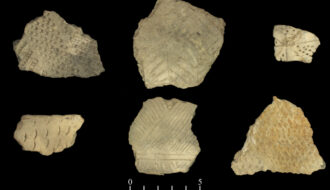
People of the Tchefuncte, Marksville, Troyville, and Coles Creek cultures lived in Louisiana during the Woodland period.
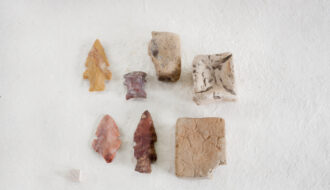
By studying artifacts, archaeologists know that people were in Louisiana at least 13,000 years ago.
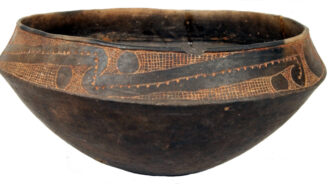
People of the Plaquemine, Caddo, and Mississippian cultures lived in Louisiana between 300 and 800 years ago during a time known as the Mississippi period.
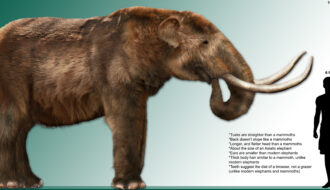
People from the Clovis culture and San Patrice culture were some of Louisiana’s earliest inhabitants.
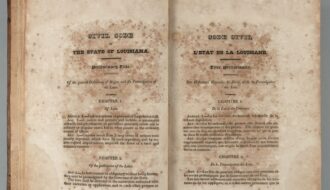
France’s Civil Code of 1804 standardized civil law and became a model legal framework around the world, including in Louisiana.
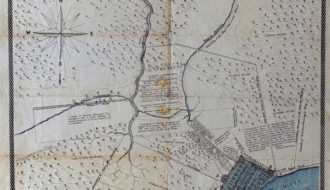
By the end of Spanish rule, Louisiana was a stable colonial outpost.
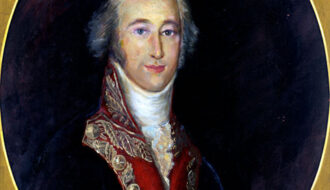
Alejandro O’Reilly served as the second Spanish governor of Louisiana from 1769 to 1770.
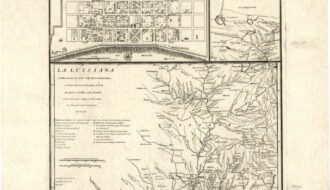
The Treaty of Fontainebleau shifted ownership of western Louisiana and New Orleans from France to Spain during the French and Indian War.
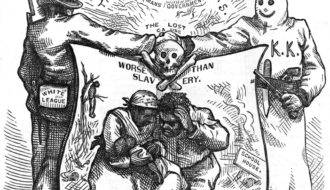
A paramilitary organization aligned with the Democratic Party, the White League played a central role in the overthrow of Republican rule and intimidation of African Americans in Louisiana during Reconstruction.
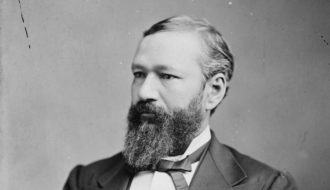
After serving as a Union officer in the Civil War, P. B. S. Pinchback became the first Black governor in the United States.
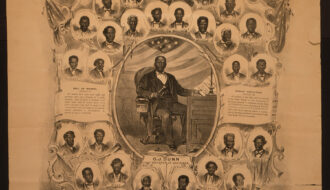
The post-Civil War period is known as the Reconstruction era, when the former Confederacy was brought back into the Union.
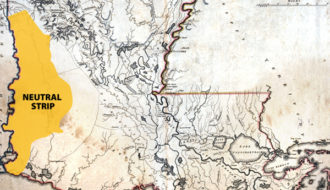
The Neutral Strip existed outside the governance of either the United States or Spain until 1821.
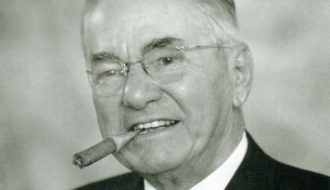
Corrupt democratic politician Leander Perez Sr., a staunch segregationist, served as a district judge, district attorney, and president of the Plaquemines Parish Commission Council.
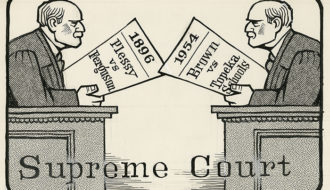
A US Supreme Court decision handed down in 1896 enacted “separate but equal” as the law of the land, a doctrine of racial segregation that lasted nearly six decades.
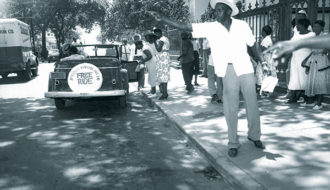
The Baton Rouge Bus Boycott of June 1953 lasted eight days and became a model for organizers of the 1955 Montgomery Bus Boycott.
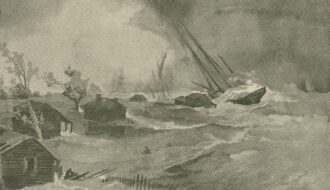
More than two thousand people across South Louisiana lost their lives in the Cheniere Caminada Hurricane, making it one of Louisiana’s deadliest storms.
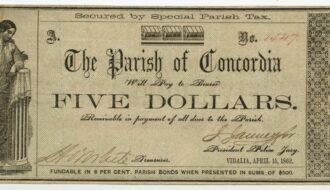
This distinct form of government exists in more than half of Louisiana’s parishes.
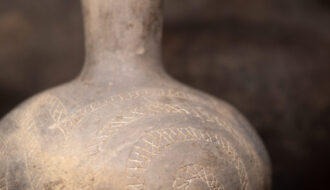
The Tunica-Biloxi Tribe is one of only four American Indian groups in Louisiana recognized by the federal government.
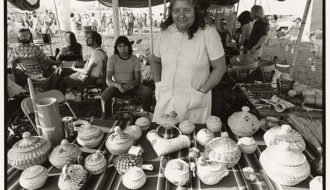
The Coushatta Tribe of Louisiana is the largest of four federally recognized tribal governments in Louisiana.
The French Civil Code of 1804 standardized civil law in France, becoming a model legal framework for jurisdictions around the world, including Louisiana.

Celebrating Louisiana Musical Legends in the Classroom
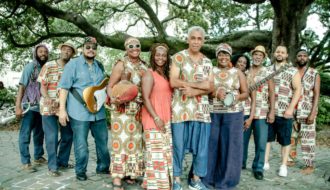
Celebrating Louisiana Musical Legends in the Classroom
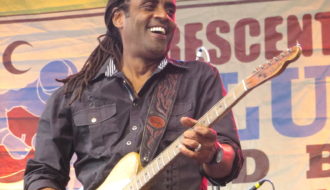
Celebrating Louisiana Musical Legends in the Classroom

Celebrating Louisiana Musical Legends in the Classroom
One-Year Subscription (4 issues) : $25.00
Two-Year Subscription (8 issues) : $40.00