Music

Octave Crosby
Octave Crosby's Original Dixieland Jazz Band was, for a time, the house band at the legendary Paddock Lounge on Bourbon Street in New Orleans.
Octave Crosby's Original Dixieland Jazz Band was, for a time, the house band at the legendary Paddock Lounge on Bourbon Street in New Orleans.
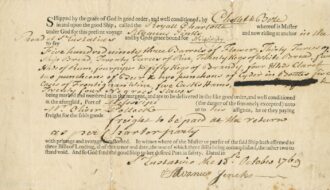
Irish-born merchant Oliver Pollock helped finance the American Revolution using profits from trading in dry goods, military supplies, and enslaved people.
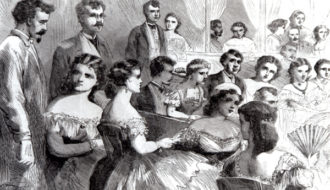
New Orleans has an almost unbroken tradition of opera that began in 1796 and first documented ballet was presented just three years later.

Oscar “Chicken” Henry played both jazz piano and trombone in New Orleans in the mid-twentieth century.
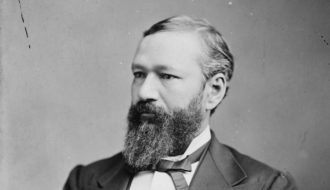
After serving as a Union officer in the Civil War, P. B. S. Pinchback became the first Black governor in the United States.
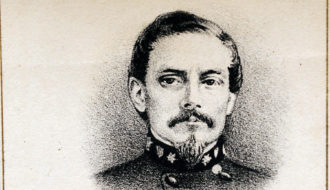
Louisiana native Pierre Gustave Toutant Beauregard was a prominent Confederate general.
P. G. T. Beauregard, born in St. Bernard Parish in 1818, was among the first prominent generals of the Confederate Army during the Civil War.

Cornetist and trumpeter Oscar Phillip “Papa” Celestin was a jazz pioneer and beloved bandleader and entertainer.

Papa John Joseph was a popular string bass player at Preservation Hall in New Orleans throughout the twentieth century.

Jazz musician Paul Barbarin was a pioneer and leading representative of classic New Orleans drumming.
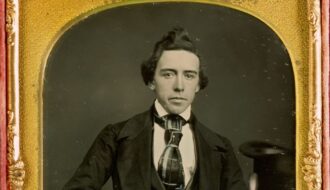
New Orleanian Paul Morphy rose to international fame as a chess master.
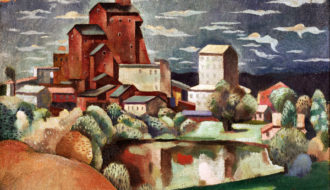
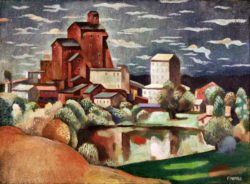
Paul Ninas, often described as the "Dean of Modern Art" in New Orleans, lived and worked in the city from 1932 until his death in 1964.
One-Year Subscription (4 issues) : $25.00
Two-Year Subscription (8 issues) : $40.00