Business & Industry
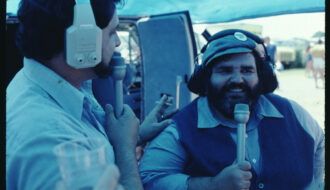
Paul Prudhomme
An unofficial cultural ambassador for Louisiana beginning in the 1970s, Paul Prudhomme was a Cajun chef, restauranteur, author, television star, and entrepreneur.
An unofficial cultural ambassador for Louisiana beginning in the 1970s, Paul Prudhomme was a Cajun chef, restauranteur, author, television star, and entrepreneur.
Paul Trévigne, a free man of color, was an editor, teacher, and orator who advocated for civil rights in the nineteenth and early twentieth centuries.

New Orleans traditional jazz trumpeter Percy Humphrey led the Eureka Brass Band and the Preservation Hall Jazz Band, continuing to play until the age of ninety.

Jazz clarinetist Pete Fountain was one of the New Orleans's most recognizable and commercially successful artists.
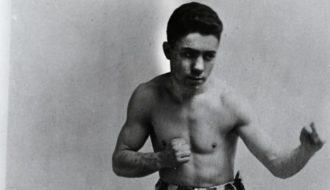
Pete Herman, world champion bantamweight boxer, owned and operated a popular French Quarter bar until his death in 1973.
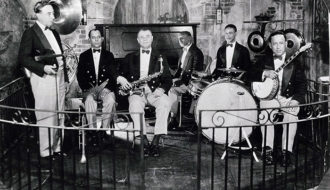
Peter Bocage was a jazz musician active in brass bands and second line parades in the early twentieth century.
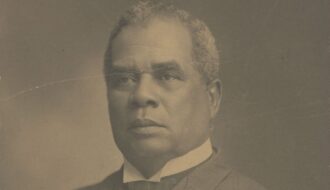
Born enslaved in Ascension Parish, Pierre Caliste Landry became the first Black mayor in the United States in 1868.
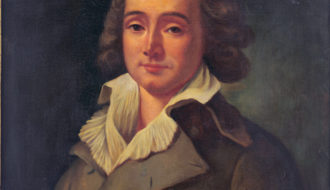
As the highest French civilian official in Louisiana, Pierre Clement de Laussat ceded control of the territory to the United States as a result of the Louisiana Purchase.
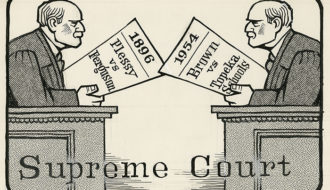
One of Louisiana’s most famous legal cases, Plessy v. Ferguson joins Dred Scott v. Sanford (1857) and Brown v. Board of Education of Topeka, Kansas (1954) as key rulings on the US civil rights timeline.
A US Supreme Court decision handed down in 1896 enacted “separate but equal” as the law of the land, a doctrine of racial segregation that lasted nearly six decades.
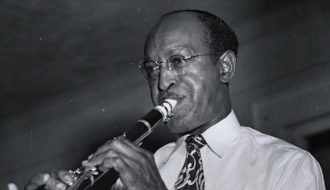
New Orleans jazz clarinetist Paul “Polo” Barnes performed frequently at Preservation Hall in the 1960s.
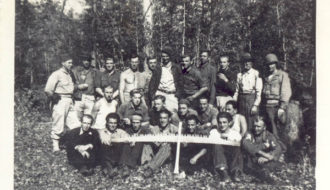
During World War II, Allied commanders sent more than twenty thousand prisoners of war to camps in Louisiana.
One-Year Subscription (4 issues) : $25.00
Two-Year Subscription (8 issues) : $40.00