Government, Politics & Law
Jean-Michel de Lépinay
Jean-Michel de Lépinay served as the fifth governor of Louisiana from 1717 to 1718.
Jean-Michel de Lépinay served as the fifth governor of Louisiana from 1717 to 1718.
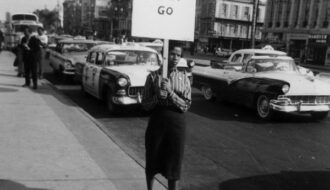
In the late nineteenth century, the implementation of Jim Crow—or racial segregation—laws institutionalized white supremacy and Black inferiority throughout the South.
After the Civil War, African Americans gained some political rights and power before having them taken away again during the era of Jim Crow laws and segregation.
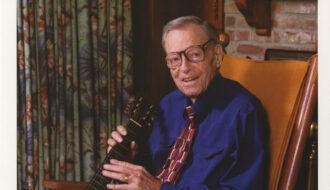
Country music singer Jimmie Davis served two nonconsecutive terms as governor of Louisiana, from 1944 to 1948 and from 1960 to 1964.
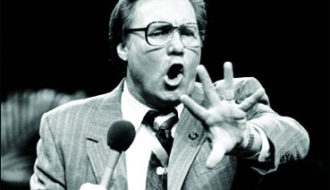
Called the "King of Honky Tonk Heaven" by Newsweek in 1982, Ferriday's Jimmy Swaggart was America's most popular televangelist in the 1980s.
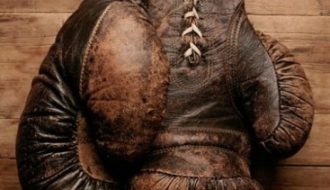
Boxer Joe Brown made his professional debut at age seventeen at the Victory Arena in New Orleans.

John Bel Edwards served as a Democratic governor of Louisiana from 2016 to 2024.
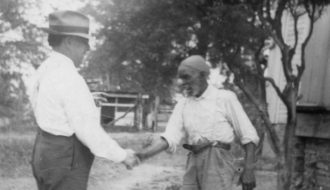
John Avery Lomax was a folklorist and musicologist who, with his son Alan Lomax, made the first recording of the Louisiana blues guitarist Huddie Ledbetter (Lead Belly) at the Louisiana State Penitentiary at Angola.
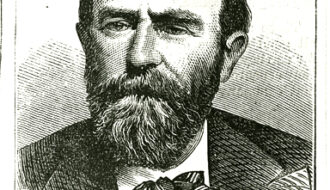
In 1872 John McEnery was elected governor in one of the most controversial and bizarre elections in Louisiana history.
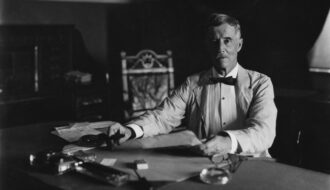
John M. Parker, who served as governor of Louisiana between 1920 and 1924, was a passionate advocate of political reform movements and good government initiatives.
Democrat Joshua Baker served as military governor of Louisiana from January to July 1868.
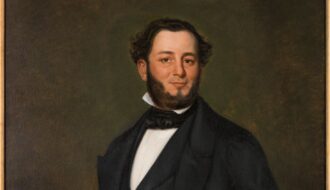
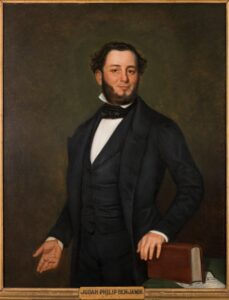
Judah P. Benjamin was one of the nineteenth-century South’s most prominent attorneys and statesmen.
One-Year Subscription (4 issues) : $25.00
Two-Year Subscription (8 issues) : $40.00