History
Judaism in Louisiana
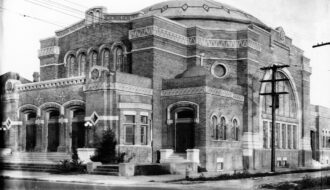
Jewish people have greatly contributed to Louisiana’s culture and economy as philanthropists, civic and educational leaders, business owners, and art patrons.
Jewish people have greatly contributed to Louisiana’s culture and economy as philanthropists, civic and educational leaders, business owners, and art patrons.
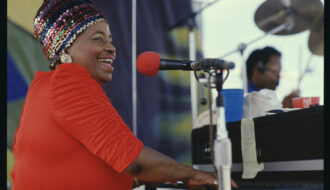
Boogie-woogie pianist and blues vocalist Katie Webster was a prolific recording and touring musician.
Kenneth B. Klaus was a composer, conductor, and musicologist in Baton Rouge during the twentieth century.
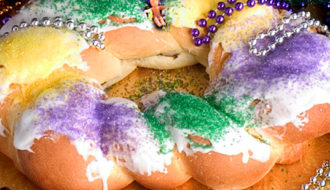
A round, braided cake consumed during the Carnival season across Louisiana, especially in New Orleans.
King cakes are a sweet bread or pastry usually decorated in purple, green, and gold.
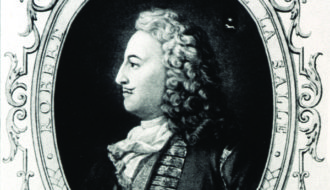
René-Robert Cavelier, sieur de La Salle, led two expeditions in search of the Mississippi Rivers outlet to the Gulf of Mexico for France under King Louis XIV.
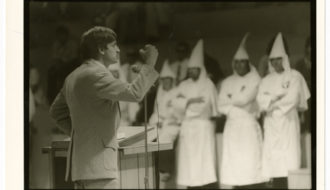
Louisiana entered the 1960s behind the national curve in postwar development but poised for dramatic progress.
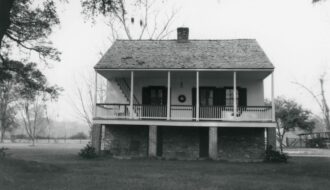
The LeBeau House plantation occupies one of the narrow lots typical of The Island, the area between the Mississippi and False rivers.
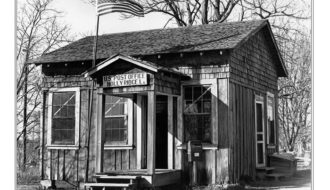
Photographer Lee Estes is best known for his precise and extensive black and white photographic documentation of vernacular subjects, especially architecture.
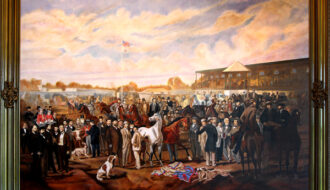
Legalized gambling has played an important cultural, political, and economic role in Louisiana's history from the colonial era to the present.
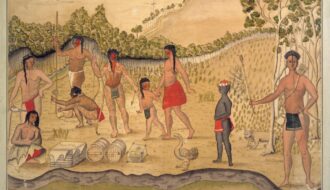
Approximately forty ethnically and politically distinct North American Indigenous polities located in the Gulf Coast region and lower Mississippi River valley made up les petites nations.
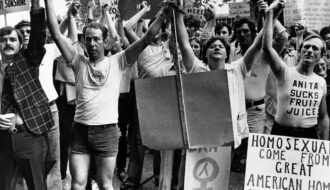
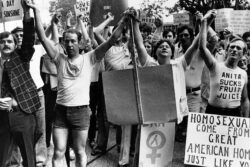
Queer people have long been part of Louisiana’s history, but the political movement for LGBTQ+ rights emerged slowly in the late twentieth century.
One-Year Subscription (4 issues) : $25.00
Two-Year Subscription (8 issues) : $40.00