Architecture
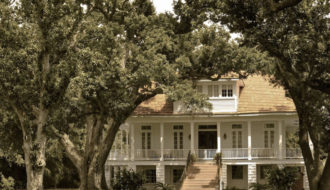
Promised Land Plantation
Leander Perez purchased Promised Land in 1925 and occupied the plantation house until the early 1960s.
Leander Perez purchased Promised Land in 1925 and occupied the plantation house until the early 1960s.
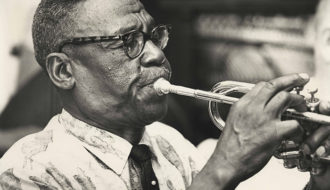
“Punch” Miller, also known as “Kid Punch,” was a New Orleans traditional jazz, blues, and brass band trumpeter and vocalist.
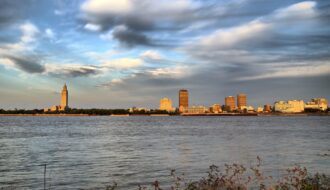
A receiving community is a city, town, or neighborhood that accommodates people displaced by a disaster.
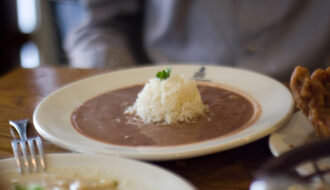
Traditionally served on Mondays in New Orleans, red beans and rice is an economical dish that has become a staple throughout Louisiana and the Gulf Coast.

Rooted in nineteenth-century Creole traditions, the réveillon has experienced a modern-day remaking in New Orleans restaurants.
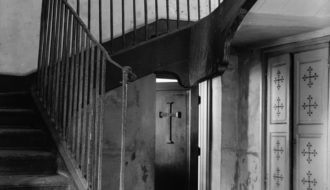
Louisiana architect and preservationist Richard Koch worked with the Historic American Buildings Survey (HABS) in the state during the Great Depression.
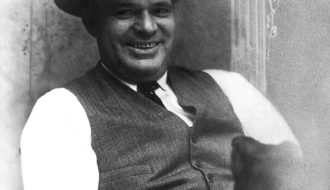
Roark Bradford was a writer and editor for The Times-Picayune and the author of numerous articles, stories, and books in the 1920s and 30s.
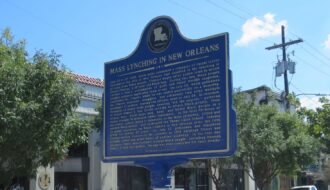
After an altercation between Robert Charles, a Black man, and the police, Black New Orleanians faced indiscriminate and lethal violence at the hands of police and a white mob.
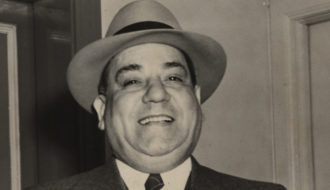
Robert Maestri was mayor of New Orleans from 1936 to 1946 and became a powerful crony to fraternal governors Huey Long and Earl Long.
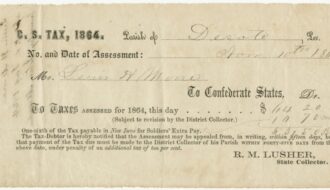
Confederate official and Reconstruction-era Superintendent of Education for the State of Louisiana
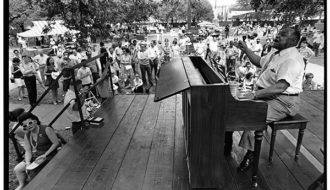
Barrelhouse pianist Roosevelt Sykes's style mixed rural and urban influences in bravura performances that some popular music historians consider the foundation for all modern blues piano.
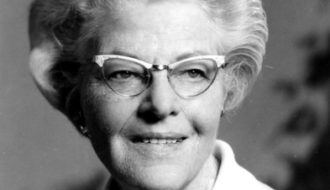
Rosa Freeman Keller spent her life fighting for equal rights for all New Orleans citizens, including the desegregation of the New Orleans public transportation system, school system, and libraries.
One-Year Subscription (4 issues) : $25.00
Two-Year Subscription (8 issues) : $40.00