History
Christian Woman's Exchange
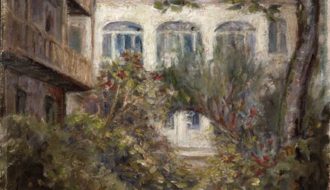
The Christian Woman's Exchange provided rooms for rent, consignment shops for income, and affordable lunches for women of every social class in New Orleans.
The Christian Woman's Exchange provided rooms for rent, consignment shops for income, and affordable lunches for women of every social class in New Orleans.
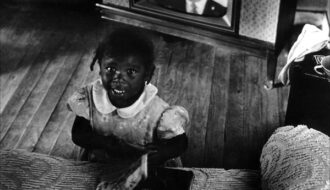
Based in New Orleans from 1969 to 1989, Christopher Harris worked as a freelance photojournalist, capturing dynamic, striking black-and-white images.
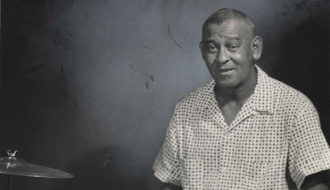
Cié Frazer was a successful jazz drummer in New Orleans for much of the twentieth century.
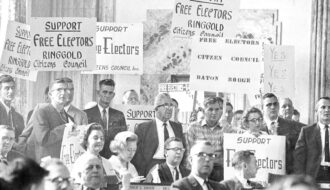
Citizens’ Councils were a loose network of white supremacist, segregationist organizations in the South that organized to preserve segregation.
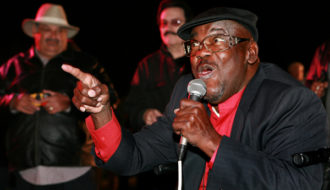
Louisiana singer and pianist Clarence "Frogman" Henry Jr., will forever be identified with the 1956 novelty rhythm & blues classic "Ain't Got No Home."
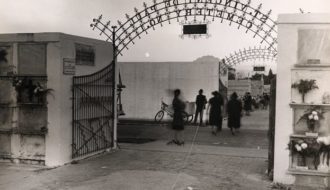
Clarence John Laughlin was one of New Orleans' most renowned twentieth-century photographers and, at the same time, among the least understood.
Louisiana has boasted a rich classical music traditional since early European exploration and settlement.
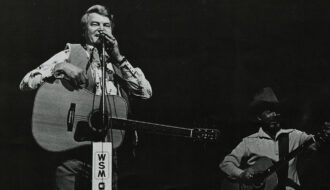
Born in Keithville, musician Claude King saw success on stage and screen.
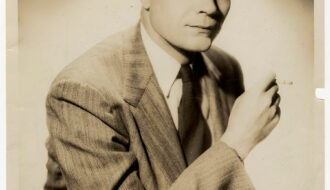
Clay Shaw is the only person tried on charges related to an alleged conspiracy in the November 22, 1963, assassination of President John F. Kennedy.
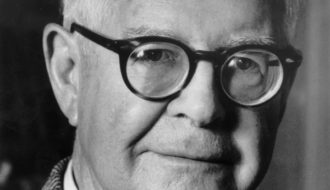
Cleanth Brooks, one of the foremost American literary critics of the twentieth century, spent fifteen years as a professor in the English Department at Louisiana State University (LSU).
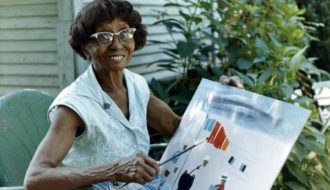
Clementine Hunter was an Afro-Creole artist who is best known for her paintings depicting scenes from African-American life on the southern plantation in the late-nineteenth and early-twentieth centuries.
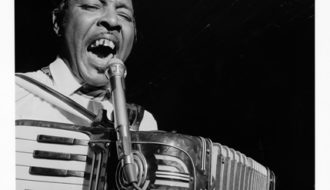
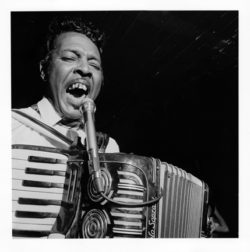
Clifton Chenier, self-proclaimed “King of the Bayou,” pioneered the modern sound of zydeco music starting in the 1950s.
One-Year Subscription (4 issues) : $25.00
Two-Year Subscription (8 issues) : $40.00