History
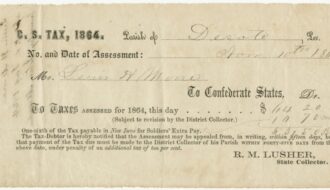
Robert Mills Lusher
Confederate official and Reconstruction-era Superintendent of Education for the State of Louisiana
Confederate official and Reconstruction-era Superintendent of Education for the State of Louisiana
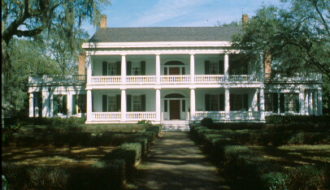
Rosedown Plantation in Louisiana is one of the most intact and well-documented examples of a plantation complex in the South.
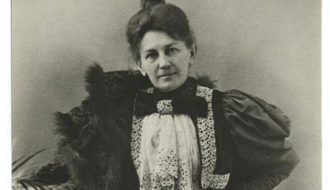
Ruth McEnery Stuart was one of the most prominent Louisiana writers of short stories and poetry in the late nineteenth century.
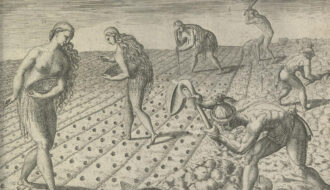
Entry describes sagamité, a range of cornmeal-based soups, stews, and porridges with Native American origins that became a common component of French colonial cuisine.
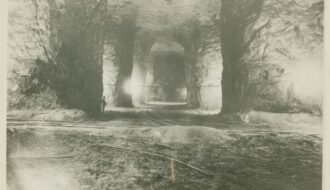
Louisiana is home to 128 identified salt domes, including the coastal dome now known as Avery Island.
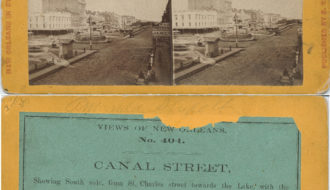
Of the hundreds of photographers in New Orleans during the second half of the nineteenth century, Samuel T. Blessing stands out for his longevity, production, and business acumen.
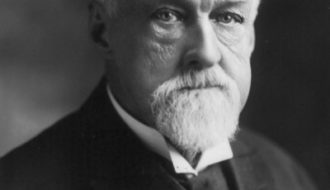
Democrat Samuel McEnery served as governor of Louisiana from 1881 until 1888.
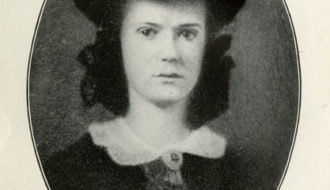
Sarah Morgan Dawson kept a dairy of her experiences during the Civil War in Louisiana.
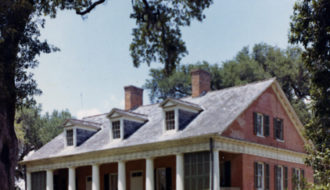
Until artist Weeks Hall donated Shadows-on-the-Teche to the National Trust for Historic Preservation in 1958, the New Iberia property had been in the Weeks family since the original Spanish land grant in 1792.
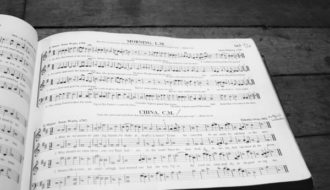
Shape-note singing dates from the late seventeenth century and is a system of printed shapes, instead of standard music notation, to help untrained singers learn how to read the music.
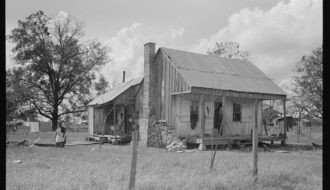
Sharecropping was a labor that came out of the Civil War and lasted until the 1950s.
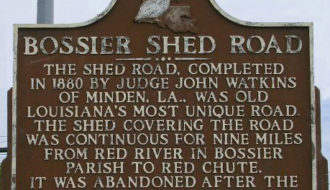
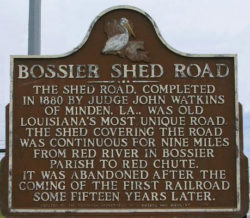
The South's first all-weather turnpike was Louisiana's most unique road, built in the 1870s in Bossier Parish.
One-Year Subscription (4 issues) : $25.00
Two-Year Subscription (8 issues) : $40.00