Government, Politics & Law
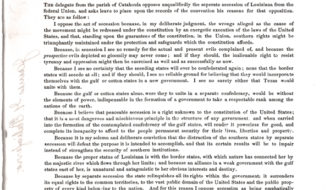
Louisiana's Secession from the Union
Louisiana seceded from the Union on January 26, 1861, although many in the state opposed the decision.
Louisiana seceded from the Union on January 26, 1861, although many in the state opposed the decision.
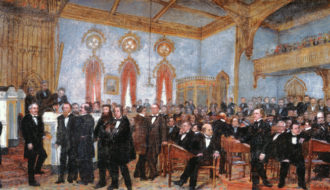
The election of Abraham Lincoln and threats to slavery’s expansion were two major factors in Louisiana’s decision to leave the Union.
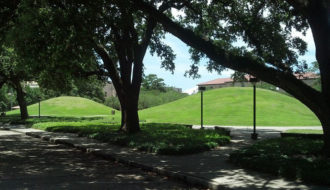
The LSU Campus Mounds are two Native American earthworks from the Middle Archaic Period located on the grounds of Louisiana State University in Baton Rouge.
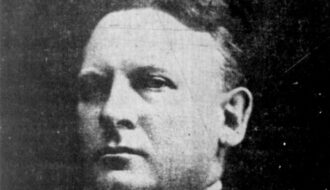
Before becoming governor of Louisiana, a position he held from 1912 until 1916, Luther Hall served as a state senator, a district judge, and a state appellate court judge.

Lynching, an extralegal method of maintaining racial boundaries (and terror), has a long, bloody history in Louisiana.

Madisonville became an important Louisiana shipbuilding center, boasting four shipyards by the late nineteenth century.
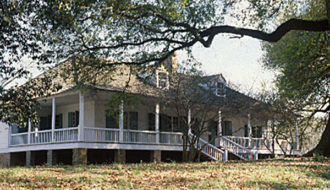
The antebellum Magnolia Mound plantation in Baton Rouge, Louisiana was constructed in the 1790s.
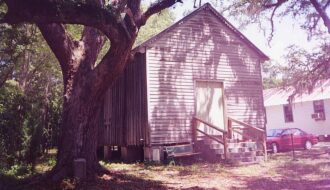
Mandeville was founded in 1834, occupying part of what was formerly the sugar plantation of Bernard de Marigny de Mandeville in Louisiana.

Manuel Luis Gayoso served as governor of the Spanish colonies of Louisiana and West Florida from 1797 until his death in 1799.
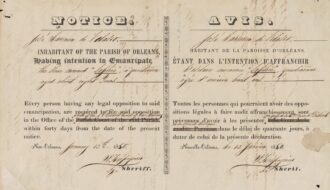
Manumission is the formal act or process of being released from slavery.

Sculptor Martin Payton is best known for his improvisational compositions made from found industrial steel parts assembled into rhythmic forms inspired by jazz music, African symbolism, and his African American heritage.

Bavarian immigrant Michael Hahn served as the first Union governor of Louisiana for one year during the Civil War.
One-Year Subscription (4 issues) : $25.00
Two-Year Subscription (8 issues) : $40.00