Folklife
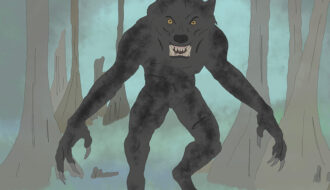
Louisiana Folktales
Louisiana’s folktales have been influenced by Indigenous peoples and the many cultural and ethnic groups that have immigrated to the state.
Louisiana’s folktales have been influenced by Indigenous peoples and the many cultural and ethnic groups that have immigrated to the state.

Beginning in 1868, the Louisiana Lottery operated with much controversy and opposition until 1897.

Founded in the early nineteenth century during a time of radical penal reformation, the Louisiana State Penitentiary at Angola is one of the nation's largest prisons.
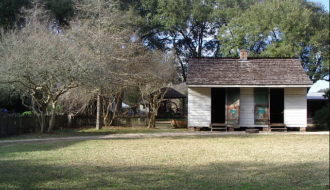
The LSU Rural Life Museum is an outdoor complex of southern rural vernacular buildings located in Baton Rouge.

Italian painter Luigi Marie Sotta, a skilled and significant artist well versed in French academic practice, worked for at least two seasons in New Orleans.

Spanish painter Luis Graner y Arrufi lived and worked in New Orleans between 1914 and 1922. The simple, dignified landscapes he created in Louisiana are considered to be some of his best work.

Though remembered for being a talented landscape painter, Lula King Saxon was also a writer, musician, poet, singer, and actress.

Lynching, an extralegal method of maintaining racial boundaries (and terror), has a long, bloody history in Louisiana.
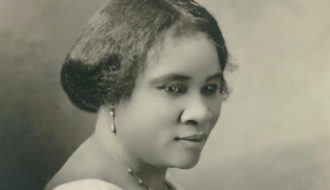
Madam C. J. Walker, born Sarah Breedlove, founded a successful hair-care business that eventually employed more than three thousand people.
Born in Delta, Louisiana, in 1867, hair care and cosmetics mogul Madam C. J. Walker was the first African American millionaire.

Madame John's Legacy derives its national landmark status not only from its architectural significance but also from its real and fictional associations with the French Quarter's French and Spanish colonial society.

Greek Revival Madewood Plantation was one of Henry Howard's first commissions and helped launch his successful architectural practice.
One-Year Subscription (4 issues) : $25.00
Two-Year Subscription (8 issues) : $40.00
