Architecture

Madisonville
Madisonville became an important Louisiana shipbuilding center, boasting four shipyards by the late nineteenth century.
Madisonville became an important Louisiana shipbuilding center, boasting four shipyards by the late nineteenth century.
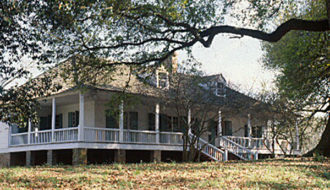
The antebellum Magnolia Mound plantation in Baton Rouge, Louisiana was constructed in the 1790s.
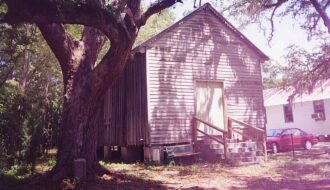
Mandeville was founded in 1834, occupying part of what was formerly the sugar plantation of Bernard de Marigny de Mandeville in Louisiana.
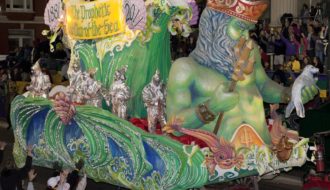
Mardi Gras in New Orleans is celebrated by costumed revelers, krewes, floats and flambeaux, parades, and masked balls.
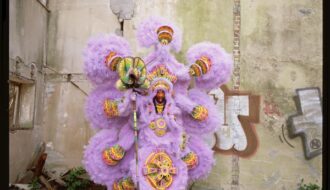
Mardi Gras Indians have become recognizable symbols of New Orleans's unique local culture, yet remain closely tied to their specific communities and traditions.
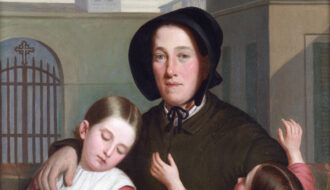
Margaret Gaffney Haughery was a successful business entrepreneur and noted philanthropist of nineteenth-century New Orleans.
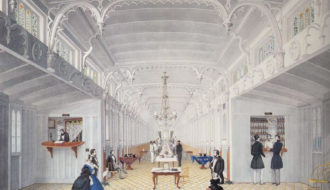
Painter, photographer, surveyor, lithographer, and inventor Marie Adrien Persac was the most important delineator of plantatino scenes in nineteenth-century Louisiana.
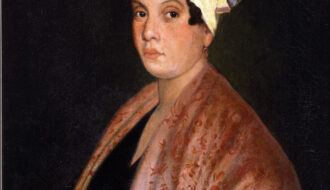
Marie Laveau was a free woman of color born in the French Quarter of New Orleans. Laveau assumed the leadership role of a multiracial religious community for which she gave consultations and held ceremonies. During her time, she was known as "The Priestess of the Voudous"; among many other colorful titles.
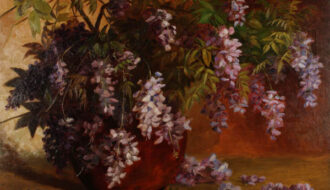
Marie Seebold knew as a child that she wanted to be an artist and began her formal art studies at the age of eleven.
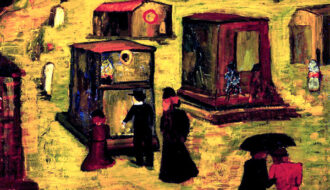
New Orleans surgeon Marion Sims Souchon was also a respected self-taught artist who produced more than 500 paintings.
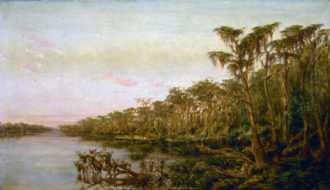
Marshall Joseph Smith, Jr., a landscape and genre painter, is also credited as the founder the carnival organization Proteus, for which he designed parades and tableaux.
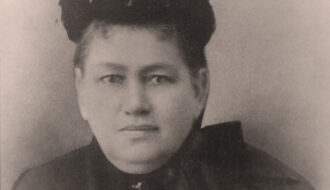
Mary Ann Patout was an important figure in the Louisiana banking and sugar industries.
One-Year Subscription (4 issues) : $25.00
Two-Year Subscription (8 issues) : $40.00