History
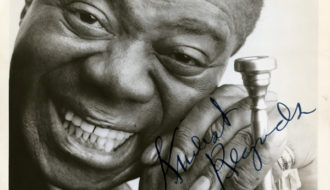
Louis Armstrong
Renowned as a seminal figure in the evolution of jazz, Louis Armstrong is also considered one of the major artistic figures of the twentieth century.
Renowned as a seminal figure in the evolution of jazz, Louis Armstrong is also considered one of the major artistic figures of the twentieth century.
New Orleans–born musician Louis Armstrong helped introduce jazz to global audiences.

French naval officer Louis Billouart, Chevalier de Kerlerec served as governor of Louisiana between 1753 and 1763.
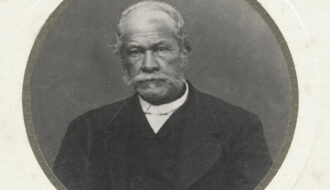
Founder of L’Union, the South’s first Black-owned newspaper, as well as the New Orleans Tribune, America’s first Black daily, Louis Charles Roudanez was a staunch abolitionist and advocate for the liberation of all Black people.
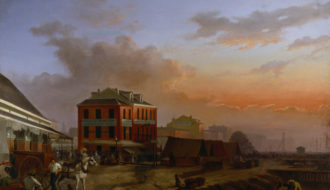
Louis Develle, a French artist active in New Orleans, was best known for his set designs at the Théatre d’Orléans.
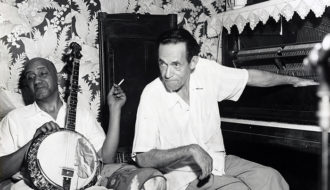
Louis Gallaud, a pianist from the Treme neighborhood of New Orleans, is known for the memorable recordings he made with Punch Miller.
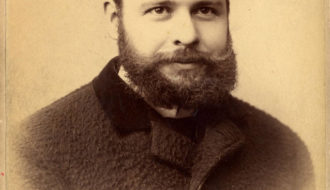
Renowned Chicago architect Louis Henry Sullivan designed only one building in Louisiana, Union Station in New Orleans.
Louis James was a New Orleans traditional jazz string bass player, clarinetist, and multi-instrumentalist.
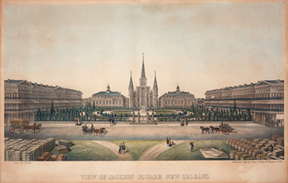
Louis Lucien Pessou was one of the leading lithographers of antebellum New Orleans.
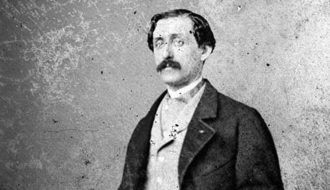
Often cited as the first American composer to gain international recognition, Louis Moreau Gottschalk wrote more than three hundred compositions and earned acclaim as a piano virtuoso.
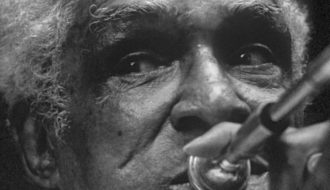
Louis Nelson was a sought-after traditional jazz trombonist from New Orleans.
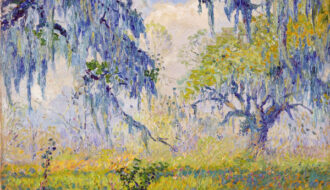
Artist Louis O. Griffith was not a native of Louisiana, but he discovered its charms on a visit to New Orleans and proceeded to depict the city in his artwork.
One-Year Subscription (4 issues) : $25.00
Two-Year Subscription (8 issues) : $40.00