Archaeology
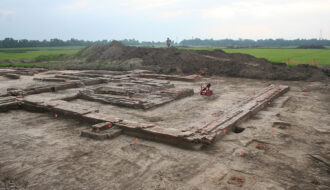
Historical Archaeology in Louisiana
Archaeologists at sites across Louisiana help fill in the written record through physical excavations of the past.
Archaeologists at sites across Louisiana help fill in the written record through physical excavations of the past.
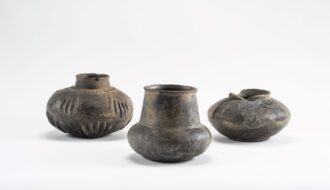
The Mississippian culture spanned from roughly 1050 to 1700 CE
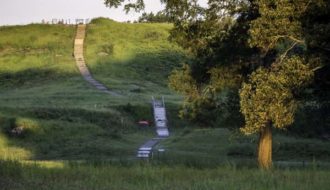
Louisiana boasts some of the most significant Native American earthen monuments in North America and ranks second only to Mississippi in the number of mound sites.
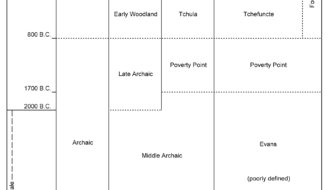
This entry explores the history of American Indian life in Louisiana from 11,500 BCE to 1700 CE through the study of prehistoric archaeology.
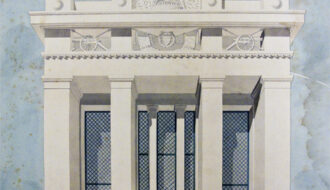
Louisiana architects Charles Dakin and James Dakin designed the Old State Capitol building in Baton Rouge, as well as the St. Charles Hotel in New Orleans, among other projects.
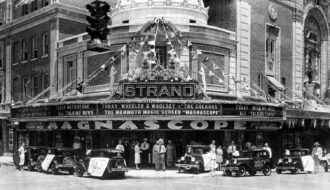
Designed by New Orleans–based architect Emile Weil, the Strand Theatre opened in Shreveport on July 3, 1925.
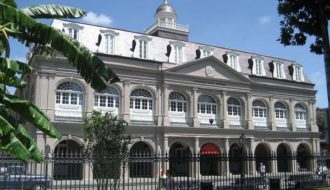
Along with the Cabildo and St. Louis Cathedral, the Presbytere figures as a major component in New Orleans' Jackson Square.
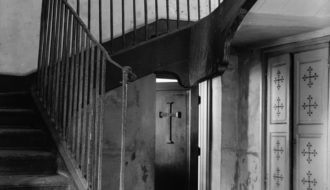
Louisiana architect and preservationist Richard Koch worked with the Historic American Buildings Survey (HABS) in the state during the Great Depression.
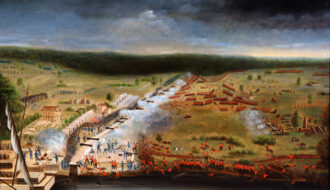
Jean-Hyacinthe Laclotte is best remembered for his painting of the 1815 Battle of New Orleans.
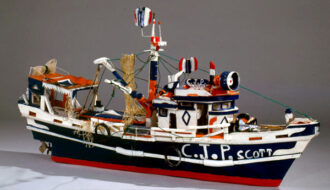
James "J. P." Scott was a Louisiana folk artist who spent much of his life working on construction sites and fishing boats in the bayous around New Orleans. He is best known for his elaborate boats made from found objects, including Mardi Gras beads, toys, and seashells.
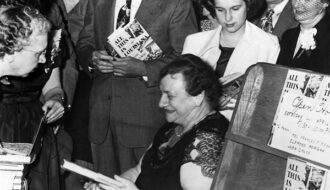
Photographer Elemore Morgan, Sr., made an important visual record of mid-twentieth-century folkways, rural life, indigenous architecture, and landscapes in Louisiana.
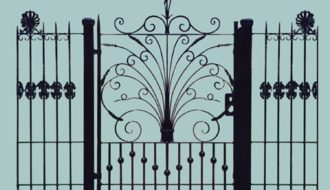
Darryl Reeves is a master blacksmith who hand-forges decorative and functional ironwork for many of New Orleans' historic homes and public buildings.
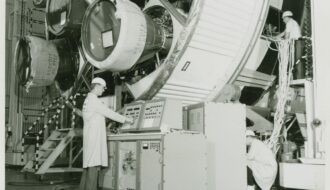
NASA’s Michoud Assembly Facility in New Orleans is one of the largest manufacturing sites in the world.
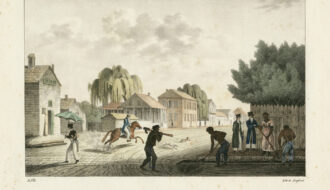
Enslaved people in Louisiana’s cities were engaged in virtually every labor role, from domestic service to dentistry.
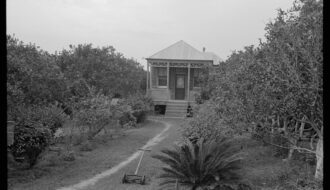
Louisiana’s citrus industry traces its origins to the early 1700s, but the effects of climate change increasingly threaten its long-term viability.
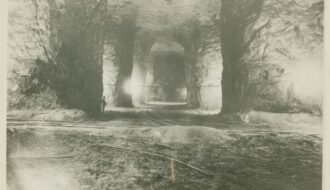
Louisiana is home to 128 identified salt domes, including the coastal dome now known as Avery Island.
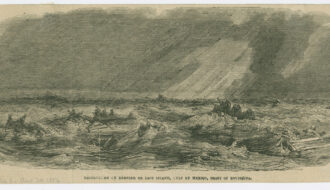
Louisiana hurricanes have played an essential role in the state’s history from colonization through the present and are as memorable as the places and people they impact.
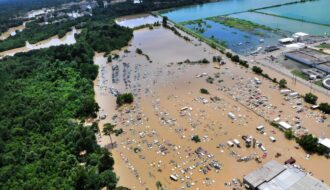
A rainy weekend in August 2016 unexpectedly left behind more than three times the amount of rain dropped by Hurricane Katrina, damaging 146,000 homes in fifty-six of Louisiana’s sixty-four parishes.
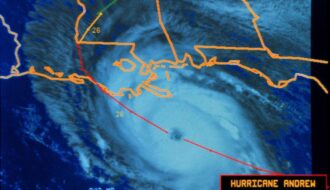
After wreaking havoc on Florida, Hurricane Andrew made landfall in Louisiana and caused widespread devastation.
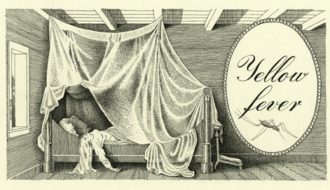
The last known epidemic of yellow fever in the United States occurred in Louisiana in 1905. Due to the intensity and frequency of these epidemics, it was often referred to as the "saffron scourge."
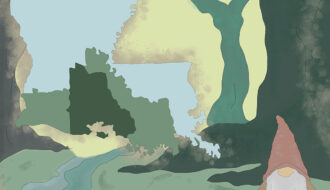
Cajun Folktales are heavily influenced by French, West African, Caribbean, Acadian, German, and American South oral traditions.
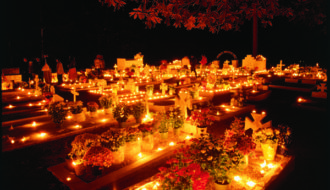
All Saints Day or All Hallows Day is a Catholic tradition honoring the saints and also deceased family members each November 1.
Darryl Reeves is a master blacksmith who hand-forges decorative and functional ironwork for many of New Orleans' historic homes and public buildings.
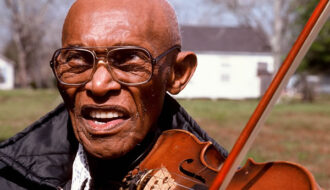
The music of Creole fiddler Canray Fontenot cuts across a variety of musical genres: Cajun, zydeco, and blues-waltzes, a unique style combining elements of blues and jazz.
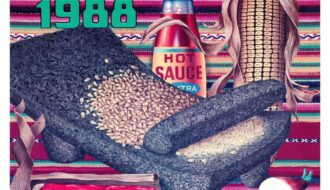
Zwolle tamales, a popular food from northwest Louisiana’s Sabine Parish, trace their origin to the region’s Indigenous cultures.
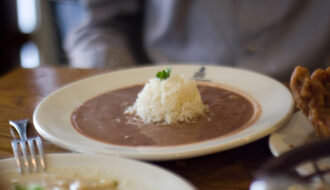
Traditionally served on Mondays in New Orleans, red beans and rice is an economical dish that has become a staple throughout Louisiana and the Gulf Coast.
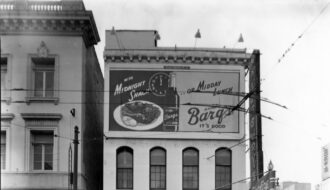
Brothers Edward and Gaston Barq began bottling carbonated water and soft drinks in New Orleans in 1890.
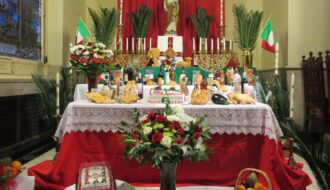
Catholic Louisianans of Sicilian descent erect altars laden with fresh produce, baked goods, and other foods to honor Saint Joseph.
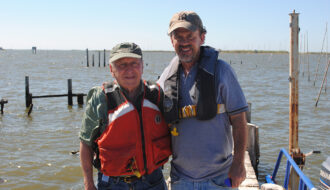
Woody Gagliano sounded the alarm on Louisiana’s coastal land loss crisis and worked with his colleagues for decades to remedy the problem.
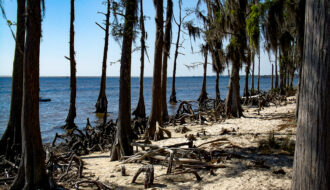
The Fontainebleau State Park bears the name of Bernard de Marigny's sugar plantation, which formerly occupied this site and was itself named after the estate of the French king Francois I.
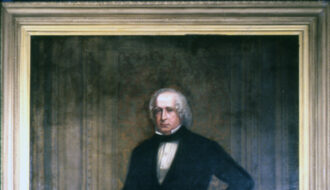
Surveyed and platted in 1883 for the New Orleans and Northeastern Railroad, Slidell was named for John Slidell, Confederate ambassador to France and U.S. congressman.
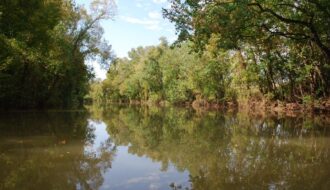
Before railroads and highways, Bayou Teche served as an important transportation route deep into the fertile interior of south-central Louisiana.
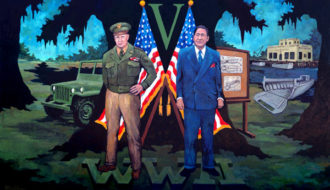
Like the rest of the nation, Louisiana experienced many changes during World War II. Federal spending helped boost the state’s economy and new employment opportunities proliferated.
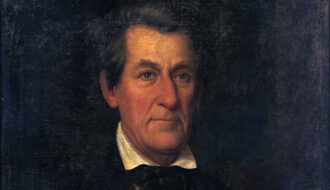
Planter, politician, and Democrat, Joseph Walker served as governor of Louisiana from 1850 until 1853.
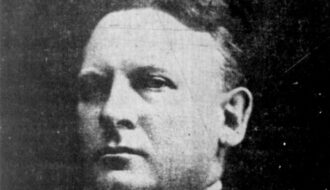
Before becoming governor of Louisiana, a position he held from 1912 until 1916, Luther Hall served as a state senator, a district judge, and a state appellate court judge.
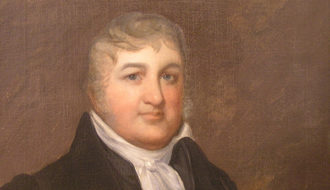
George Mathews served as the presiding judge of the Supreme Court of Louisiana from 1813 to 1836.
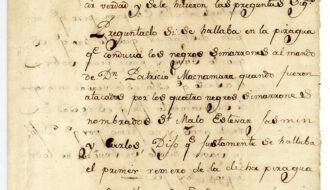
Juan San Maló (Jean St. Malo) was the leader of a group of self-liberated formerly enslaved people who founded their own maroon resistance community in the bayous and wetlands southeast of New Orleans, in present-day St. Bernard Parish.
Surveyed and platted in 1883 for the New Orleans and Northeastern Railroad, Slidell was named for John Slidell, Confederate ambassador to France and U.S. congressman.
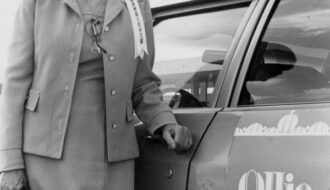
Ollie Tucker Osborne spent thirty years as a businesswoman before becoming active in supporting and promoting the women's movement in Louisiana in the 1970s.
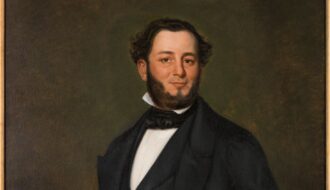
Judah P. Benjamin was one of the nineteenth-century South’s most prominent attorneys and statesmen.
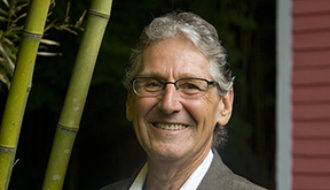
Dr. Darrell Bourque was appointed poet laureate of Louisiana by Governor Kathleen Blanco in 2007.
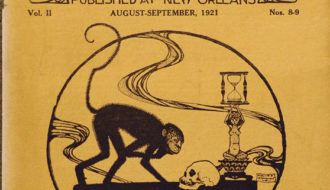
Louisiana poetry ranges from early francophone works to contemporary compositions.
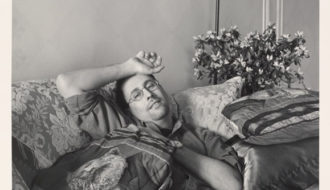
Louisiana drama, like all Louisiana literature, is a rich and diverse subject.
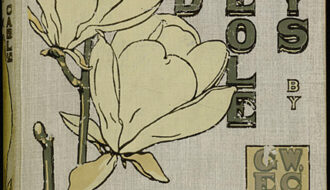
Representations of Louisiana’s Creole population are as varied and complex as the definition of the term itself.
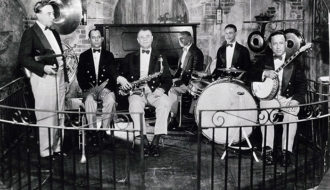
Peter Bocage was a jazz musician active in brass bands and second line parades in the early twentieth century.
Born in England, Ken Colyer was nonetheless a catalytic figure in the Traditional New Orleans Jazz Revivial which began in the late 1940s.
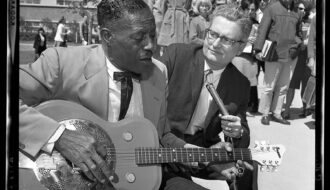
The guitar style of Edward James “Son” House has influenced blues musicians since the 1930s.
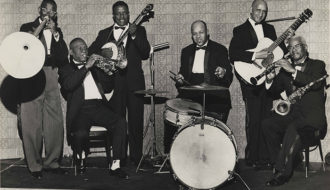
Andrew Jefferson was a New Orleans traditional jazz and brass band drummer and vocalist.
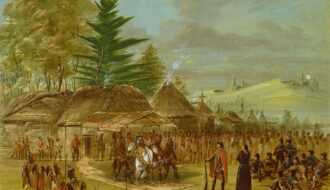
One of Louisiana's pre-contact indigenous groups
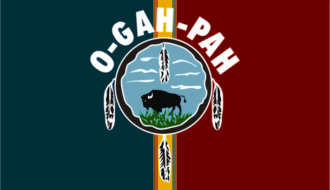
The Quapaw Indians, whose four villages were located along the Arkansas River, were military allies and trade partners of colonial Louisianans.
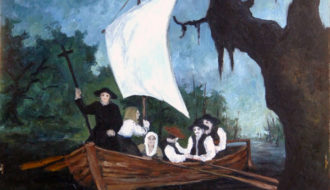
Cajuns are the descendants of Acadian exiles from what are now the maritime provinces of Canada–Nova Scotia, New Brunswick, and Prince Edward Island–who migrated to southern Louisiana.
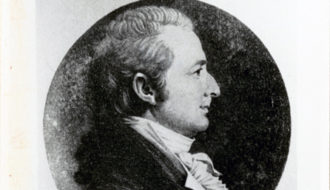
While Louisiana began as a French colony and its dominant culture remained Creole French well into the nineteenth century, Anglo-Americans began to form a significant minority in region the late colonial period.
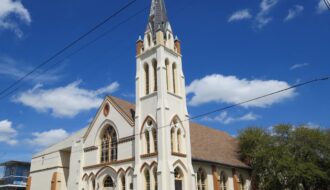
One of the first Black Protestant churches in Louisiana, Wesley Chapel played pivotal roles in social and political movements, from teaching freed Black women to read after the Civil War to engaging in the civil rights movement.
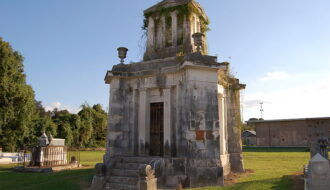
This Catholic cemetery in Donaldsonville was laid out in a grid plan shortly after the church parish was founded in 1772.
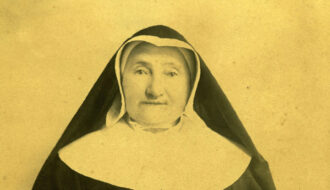
Mother Mary Hyacinth led nine Daughters of the Cross from France to central Louisiana in 1855 to open a convent and several schools.
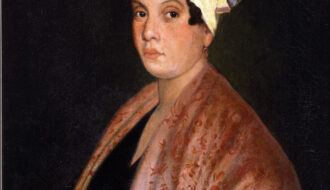
Marie Laveau was a free woman of color born in the French Quarter of New Orleans. Laveau assumed the leadership role of a multiracial religious community for which she gave consultations and held ceremonies. During her time, she was known as "The Priestess of the Voudous"; among many other colorful titles.
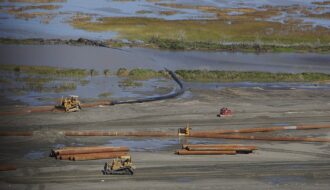
For a state experiencing land loss at an alarming rate, coastal restoration has become an urgent need.
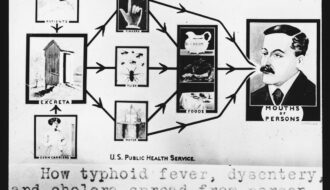
During the nineteenth century, cholera epidemics caused tens of thousands of deaths throughout the state of Louisiana.
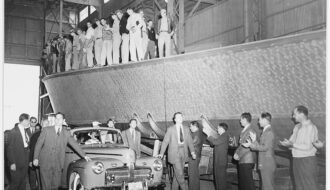
The United States’ entry into World War II spurred Louisiana’s recovery from the economic doldrums of the Great Depression.
Woody Gagliano sounded the alarm on Louisiana’s coastal land loss crisis and worked with his colleagues for decades to remedy the problem.
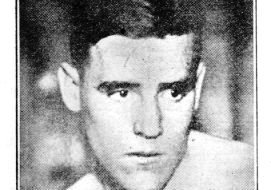
Eddie Flynn was considered by many to be the finest amateur boxer in the history of New Orleans.
New Orleans’s basketball team is named for Louisiana’s state bird, the brown pelican.
The Evangeline League was a minor league baseball circuit in southern and central Louisiana in the first half of the twentieth century.
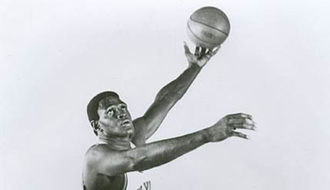
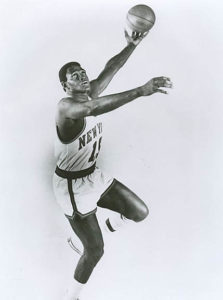
NBA player Willis Reed first garnered national attention as a standout at Grambling State University.
One-Year Subscription (4 issues) : $25.00
Two-Year Subscription (8 issues) : $40.00