Archaeology
Marie Thérèse Coincoin
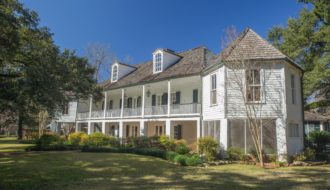
Coincoin, a formerly enslaved woman freed in colonial Natchitoches, is an icon of American slavery and Louisiana’s Creole culture.
Coincoin, a formerly enslaved woman freed in colonial Natchitoches, is an icon of American slavery and Louisiana’s Creole culture.
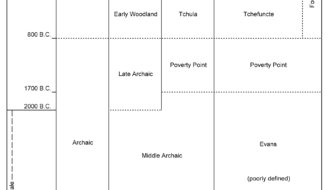
This entry explores the history of American Indian life in Louisiana from 11,500 BCE to 1700 CE through the study of prehistoric archaeology.
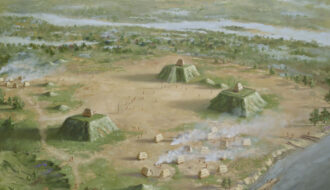
Once covering most of Louisiana, the Coles Creek culture is known for its distinctive ceremonial mound sites.
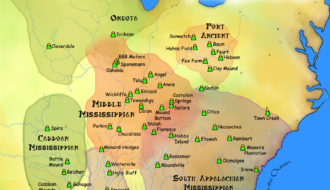
This entry covers the Plaquemine culture in the Lower Mississippi River Valley during the Mississippi period, 1200 to 1700 CE
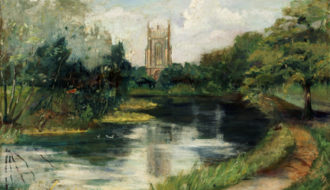
Fronting the Mississippi River, Audubon Park is one of New Orleans' most popular attractions for both tourists and locals.
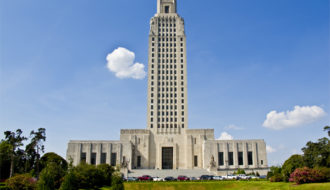
The New State Capitol building was part of Governor Huey Long’s public works campaign to improve the state’s physical infrastructure.
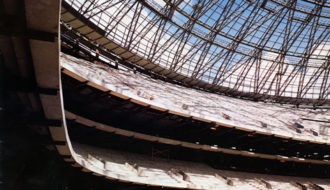
The architectural firm Curtis and Davis designed the Superdome, Rivergate, and other notable buildings in New Orleans and throughout the state.
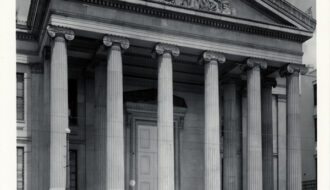
Gallier Hall is considered one of the masterpieces of Greek Revival style in the South.
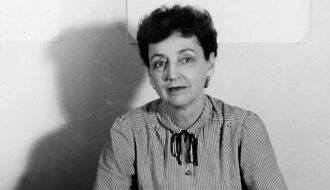
The Federal Art Project was a Depression-era effort to bring art and artists into the everyday lives of Americans while simultaneously extending work relief to artists.
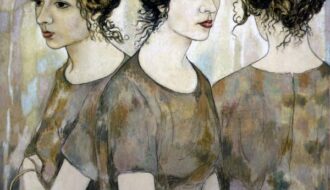
Artist John Clemmer was an active member of the New Orleans art scene from the 1930s-2010s.
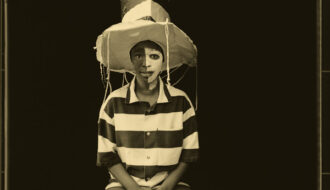
Photographer Deborah Luster eloquently focuses her lens on ugly realities of life in Louisiana: crime and violence.
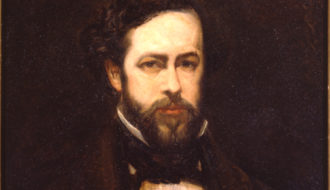
Widely credited as the founder of the landscape painting tradition in Louisiana, French-born painter Richard Clague received most of his formal artistic training in Europe.
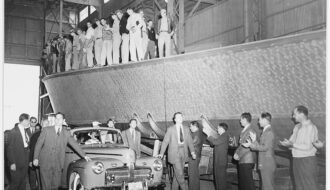
During World War II, Higgins Industries designed 92 percent of US Navy vessels, the majority of which were produced by workers in New Orleans.
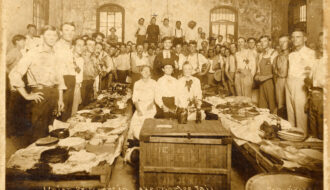
Labor union meeting results in death and arrest of timber workers.
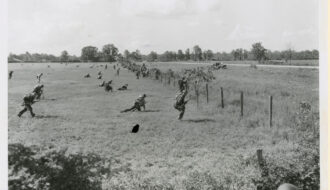
During World War II, central Louisiana became the site of training maneuvers to prepare the United States Army to engage in Germany’s new blitzkrieg-style warfare.
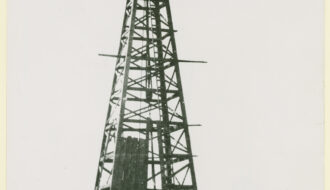
Exploitable petroleum deposits were found in Louisiana in 1901, changing the state's economy and landscape forever.
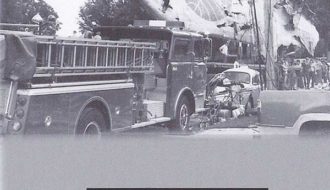
On July 9, 1982, wind shear caused Pan Am Flight 759 to crash into the New Orleans suburb of Kenner, killing 153 people.
Labor union meeting results in death and arrest of timber workers.
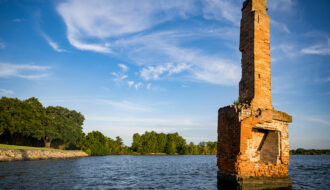
An oil drilling operation at Lake Peigneur accidentally punctured a salt dome, creating a sinkhole that swallowed barges and caused the Delcambre Canal to flow backwards.
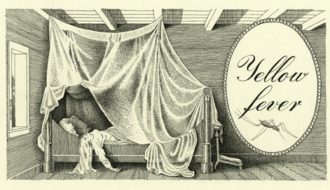
The last known epidemic of yellow fever in the United States occurred in Louisiana in 1905. Due to the intensity and frequency of these epidemics, it was often referred to as the "saffron scourge."
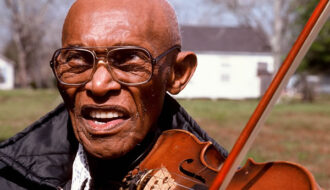
The music of Creole fiddler Canray Fontenot cuts across a variety of musical genres: Cajun, zydeco, and blues-waltzes, a unique style combining elements of blues and jazz.
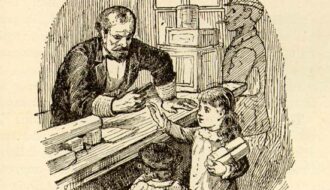
"Lagniappe" is a vernacular word used in New Orleans to refer to a complimentary giveaway in a retail environment.
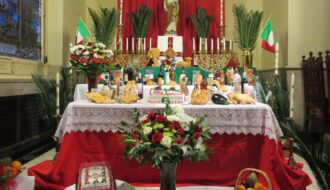
Catholic Louisianans of Sicilian descent erect altars laden with fresh produce, baked goods, and other foods to honor Saint Joseph.
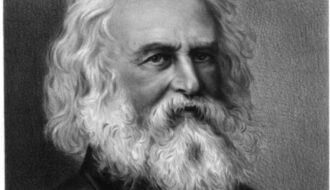
The legend of a displaced Acadian couple, Evangeline has played an important role in Louisiana history and culture despite its fictional nature.
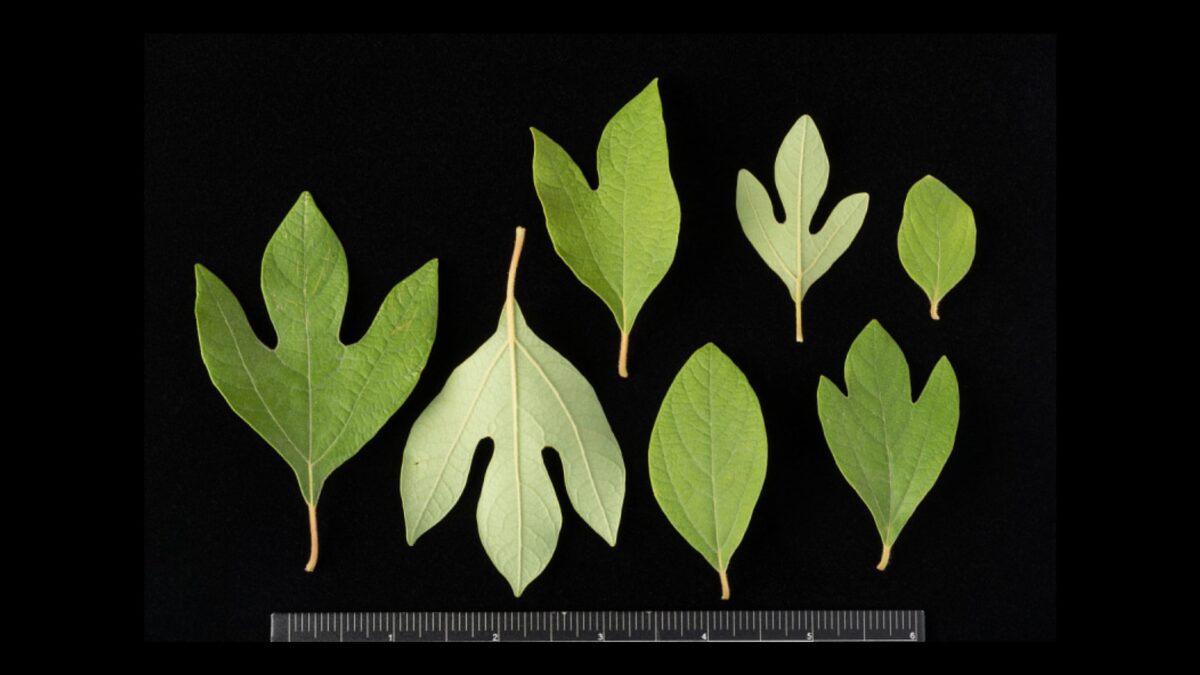
Filé, also known as filé powder or gumbo filé, is a seasoning and thickening agent made from dried and finely ground sassafras leaves.
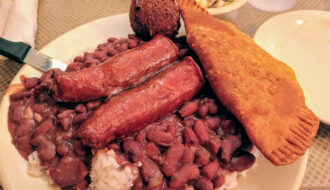
Natchitoches’s savory hand pies are filled with a mixture of ground pork and beef in a seasoned gravy.
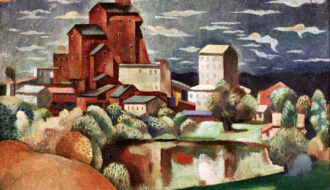
Located in Iberia Parish, Avery Island, the largest of five salt domes along the Louisiana coast, is the home of the McIlhenny Company, maker of Tabasco brand products for more than 140 years.
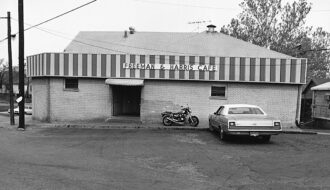
Freeman & Harris Café was a Black-owned restaurant that served as a pillar of Black social, cultural, and political life in Shreveport.
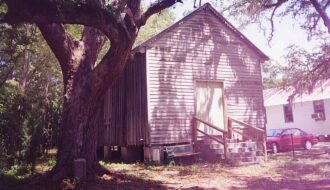
Mandeville was founded in 1834, occupying part of what was formerly the sugar plantation of Bernard de Marigny de Mandeville in Louisiana.
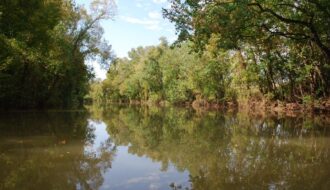
Before railroads and highways, Bayou Teche served as an important transportation route deep into the fertile interior of south-central Louisiana.
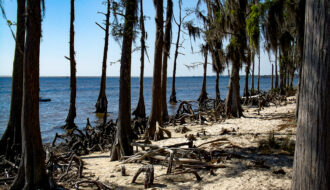
The Fontainebleau State Park bears the name of Bernard de Marigny's sugar plantation, which formerly occupied this site and was itself named after the estate of the French king Francois I.
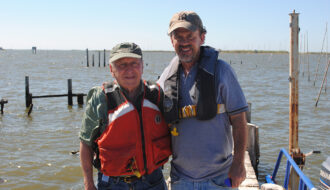
Woody Gagliano sounded the alarm on Louisiana’s coastal land loss crisis and worked with his colleagues for decades to remedy the problem.
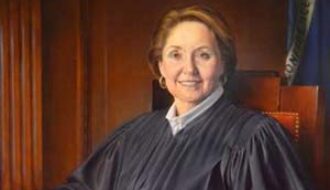
Catherine D. Kimball was the Chief Justice of the Louisiana Supreme Court from 2009 to 2013.
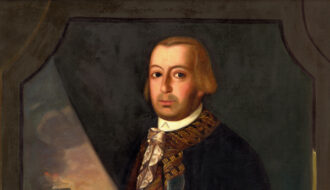
Bernardo de Gálvez, the fourth governor of Spanish Louisiana, is best known for leading Louisiana militiamen against the British during the American Revolution.
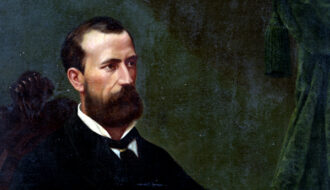
Democrat Louis Wiltz served as governor of Louisiana from 1880 until his death in 1881.
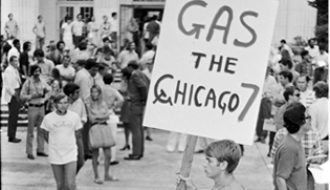
David Duke is a polarizing, outspoken advocate of white supremacy whose political campaigns in the 1980s and early 1990s put a modern-day face on the image of racism in the United States.
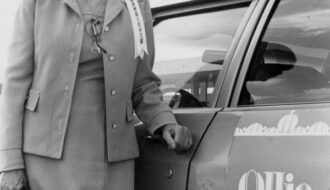
Ollie Tucker Osborne spent thirty years as a businesswoman before becoming active in supporting and promoting the women's movement in Louisiana in the 1970s.
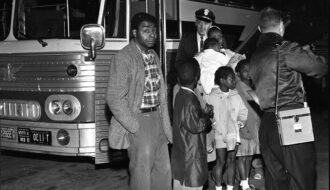
In 1962 and 1963 white Citizens’ Councils organized “Reverse Freedom Rides,” parodying the Civil Rights Movement’s Freedom Rides by providing one-way tickets for Black Americans to northern and western cities.
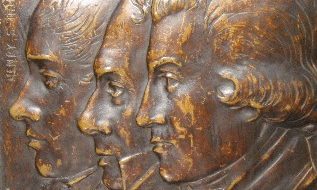
Planter Arnaud Beauvais became acting governor of Louisiana from October 6, 1829, to January 14, 1830
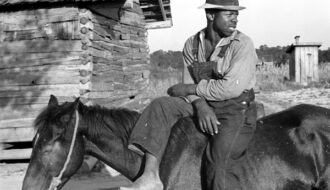
Louisiana was deeply affected by the Great Depression when cotton, sugar, oil, and timber values plummeted, and the port of New Orleans experienced a precipitous decline in foreign trade.
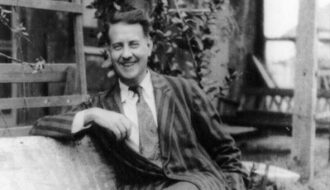
Lyle Saxon published articles, short stories, books of creative nonfiction, and one novel; he also directed the Louisiana branch of the Federal Writers Project.
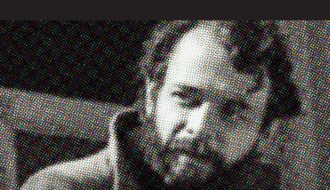
Everette Maddox was a poet known for his powers of wit and observation which he used to great effect in his works.
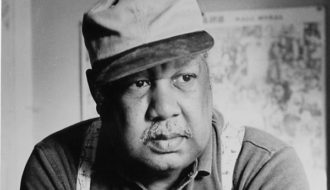
Considered among the most important southern writers, Ernest J. Gaines was an award-winning fiction writer whose work often features the region where he grew up: rural and small-town south-central Louisiana.
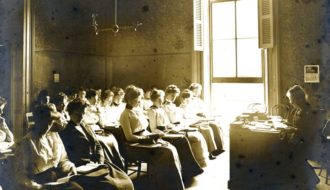
Louisiana women have written about life in the state since before the Civil War, presenting their views of its unique society and landscape.
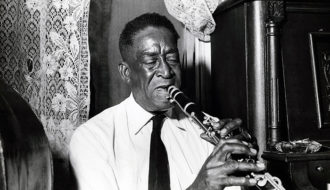
Emile Barnes was a ragtime, early jazz, and brass band clarinetist from New Orleans, perhaps best remembered for his distinctive, blues-inflected sound and performance style.
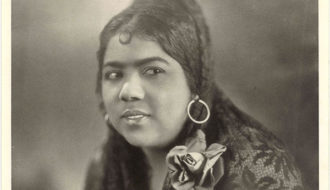
Lizzie Miles was a vocalist adept at both blues and jazz stylings whose career spanned most of the modern jazz age.
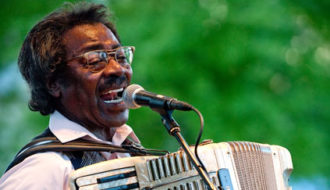
Accordionist Stanley Dural, Jr., was zydeco's most commercially successful performer and an unofficial ambassador of the musical genre and Creole culture. Better known as "Buckwheat Zydeco," Dural helped introduce traditional Creole music to the mainstream.
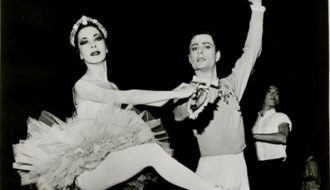
Royes Fernández, from New Orleans, was considered to be America's first premier ballet dancer.
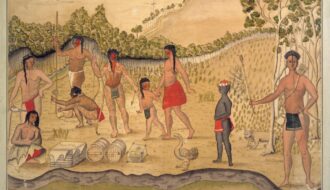
The Ishak are an Indigenous people who have lived in southwest Louisiana and southeastern Texas since precolonial times.
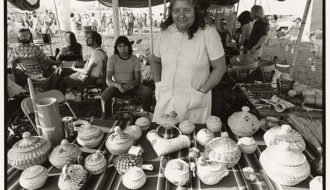
The Coushatta Tribe of Louisiana is the largest of four federally recognized tribal governments in Louisiana.
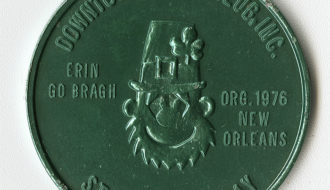
The influence of Irish immigrants in New Orleans can still be seen in the Irish Channel neighborhood, St. Patrick's Day celebrations and churches such as St. Alphonsus.
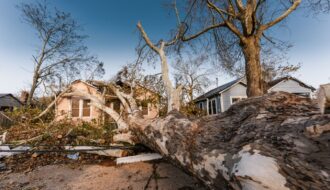
Climate migration occurs when people move away from home due to extreme environmental conditions worsened or caused by climate change, such as hurricanes, coastal erosion, sea level rise, flooding, and fires.
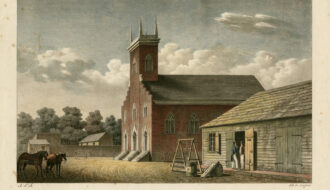
Several Protestant denominations are present in Louisiana with Southern Baptist and Methodist as the most dominant.
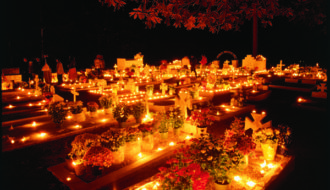
All Saints Day or All Hallows Day is a Catholic tradition honoring the saints and also deceased family members each November 1.
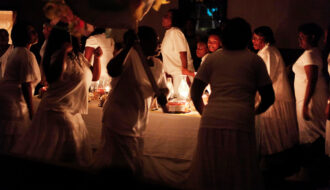
Held on the Saturday before Easter Sunday, this women-led vigil includes counterclockwise percussive foot movement and call-and-response singing.
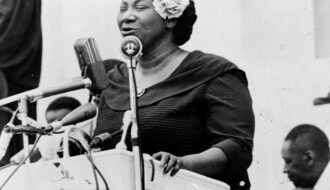
African American Gospel music incorporates elements of both black vernacular and sacred music, including blues, hymnody, spirituals, the folk church, and even popular song.
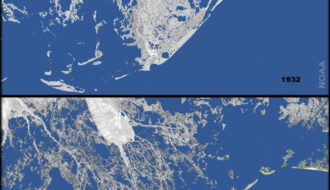
The gradual loss of Louisiana’s coastal wetlands is a slow-moving disaster largely set in motion by a series of human interventions in natural processes.
Woody Gagliano sounded the alarm on Louisiana’s coastal land loss crisis and worked with his colleagues for decades to remedy the problem.
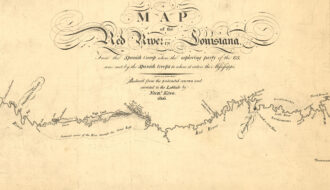
An American effort to explore the Louisiana Purchase territory was hindered by a log jam on the Red River and two hundred Spanish troops.
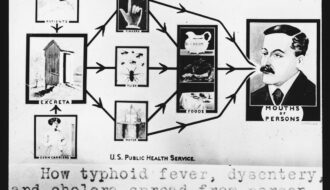
During the nineteenth century, cholera epidemics caused tens of thousands of deaths throughout the state of Louisiana.
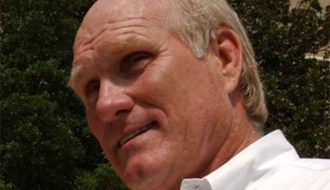
Louisiana's Terry Bradshaw won four Super Bowls as quarterback for the Pittsburgh Steelers in the 1970s.
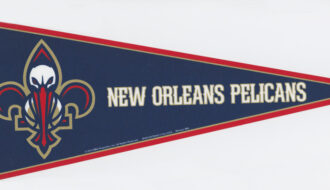
New Orleans’s basketball team is named for Louisiana’s state bird, the brown pelican.
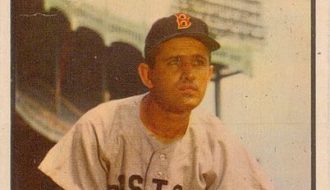
New Orleans born Mel Parnell had an All-Star career as a pitcher for the Boston Red Sox and was inducted into the Louisiana Sports Hall of Fame.
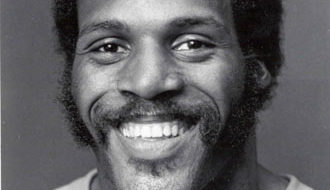
Louisianan Joe Delaney played with the Kansas City Chiefs after a record-setting turn at Northwestern State in Nachitoches.
One-Year Subscription (4 issues) : $25.00
Two-Year Subscription (8 issues) : $40.00