Archaeology
Watson Brake Archaeological Site
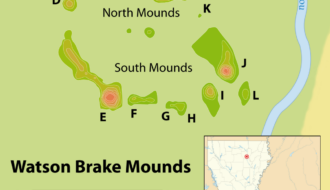
Watson Brake is a prehistoric Evans culture site in Ouachita Parish dating to 3500–2800 BCE.
Watson Brake is a prehistoric Evans culture site in Ouachita Parish dating to 3500–2800 BCE.
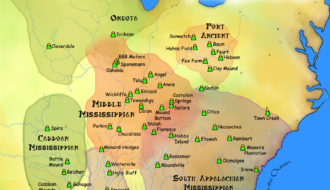
This entry covers the Plaquemine culture in the Lower Mississippi River Valley during the Mississippi period, 1200 to 1700 CE
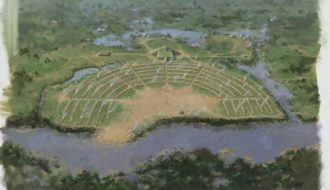
Poverty Point in Louisiana, one of the most significant archaeological sites in in the world, dates to 3,500 years and represents the largest, most complex settlement of its kind in North America.
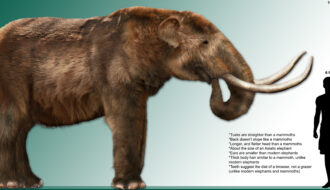
This entry covers the Pre-Clovis and Clovis cultures during the Early Paleoindian Period, 11500–9500 BCE, and Middle Paleoindian Period, 9500 BCE–8800 BCE.
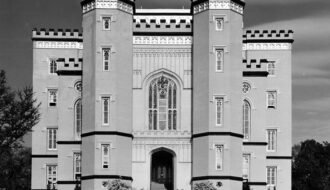
Designed by architect James H. Dakin, Louisiana's Old State Capitol in Baton Rouge is among the state’s most distinctive architectural landmarks.
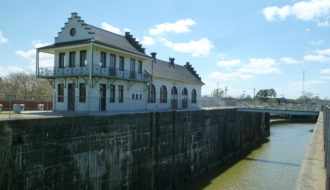
The Bayou Plaquemine Lock once allowed ships to pass from the Mississippi River through the bayou to Louisiana's interior.
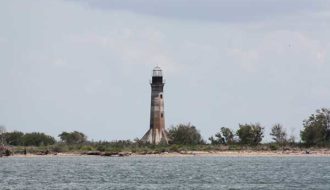
Installed in the 1800s, Louisiana's lighthouses were not only among the state's most visually dynamic buildings, but also provided a vital service for commercial mariners.
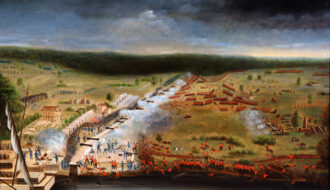
Jean-Hyacinthe Laclotte is best remembered for his painting of the 1815 Battle of New Orleans.
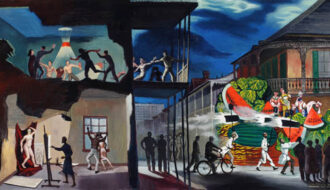
One of the best-known twentieth-century southern artists, John McCrady studied and worked in New Orleans, where he established an influential art school.
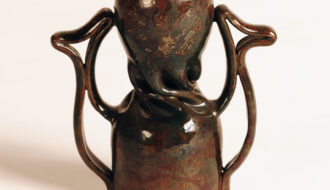
George Ohr was known for his eccentric personality and the wild and exaggerated pottery that he sold at his studio on the Mississippi Gulf Coast.
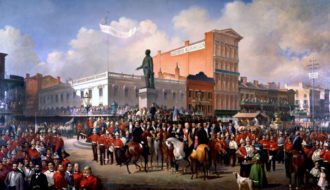
Few details are known about the life of British-born hunting, landscape, and portrait painter Victor Pierson, who appears on the New Orleans city directories in the late nineteenth century.
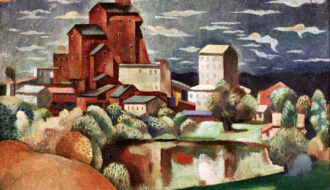
Paul Ninas, often described as the "Dean of Modern Art" in New Orleans, lived and worked in the city from 1932 until his death in 1964.
Paul Trévigne, a free man of color, was an editor, teacher, and orator who advocated for civil rights in the nineteenth and early twentieth centuries.
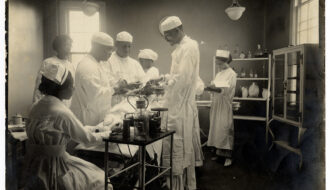
Flint-Goodridge Hospital opened in 1896 to serve New Orleans’s Black community and provide medical training for Black nurses and physicians at a time when other hospitals denied services to Black people.
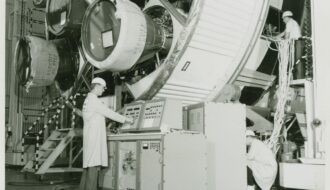
NASA’s Michoud Assembly Facility in New Orleans is one of the largest manufacturing sites in the world.
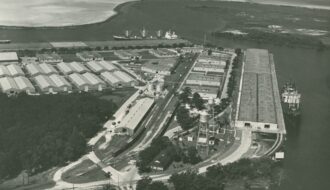
The Port of Lake Charles opened in 1926 and remains one of the country’s most active oil, gas, and petrochemical transportation hubs.
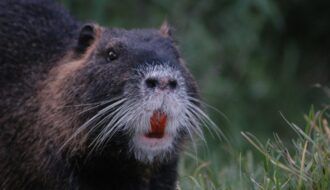
Imported in the early twentieth century for their fur, nutria have exploded into an invasive species that contributes to coastal erosion.
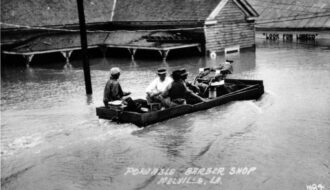
The Flood of 1927 inundated nearly 26,000 square miles in 170 counties and parishes in seven states, driving an estimated 931,159 people from their homes.
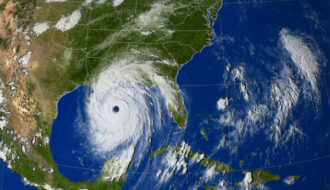
Hurricane Katrina’s landfall in Louisiana and the subsequent levee failures resulted in one of the worst disasters in United States history.
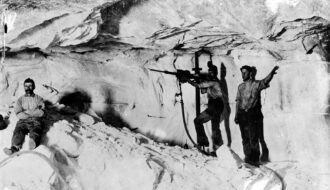
Once one of the most productive salt mines in the country, the Belle Isle Salt Mine was the site of numerous deadly accidents.
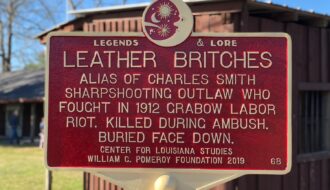
The legendary outlaw Charles “Leather Britches” Smith is best known for his armed defense of his fellow union members during the Grabow Riot of 1912.
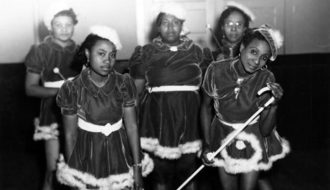
The Baby Dolls were one of the first women's street masking groups in the United States. The practice continues today as a living legacy.
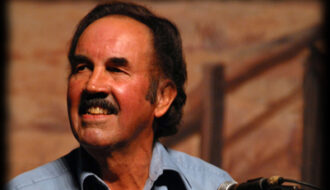
Marc Savoy is a Cajun folklorist, musician, and master accordion maker in Eunice.
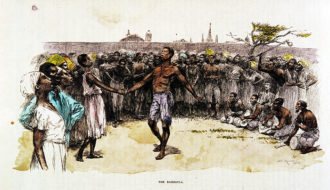
Congo Square, now Armstrong Park in New Orleans’s Tremé neighborhood, served as a gathering ground for Africans in the early years of the city.
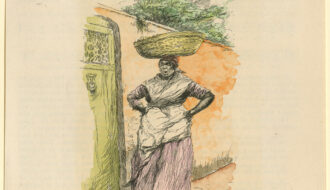
Fried rice cakes known as calas were once ubiquitous among New Orleans street vendors.

Although okra is consumed throughout the South, it is predominantly associated with South Louisiana, where it is used as a thickener for gumbo.
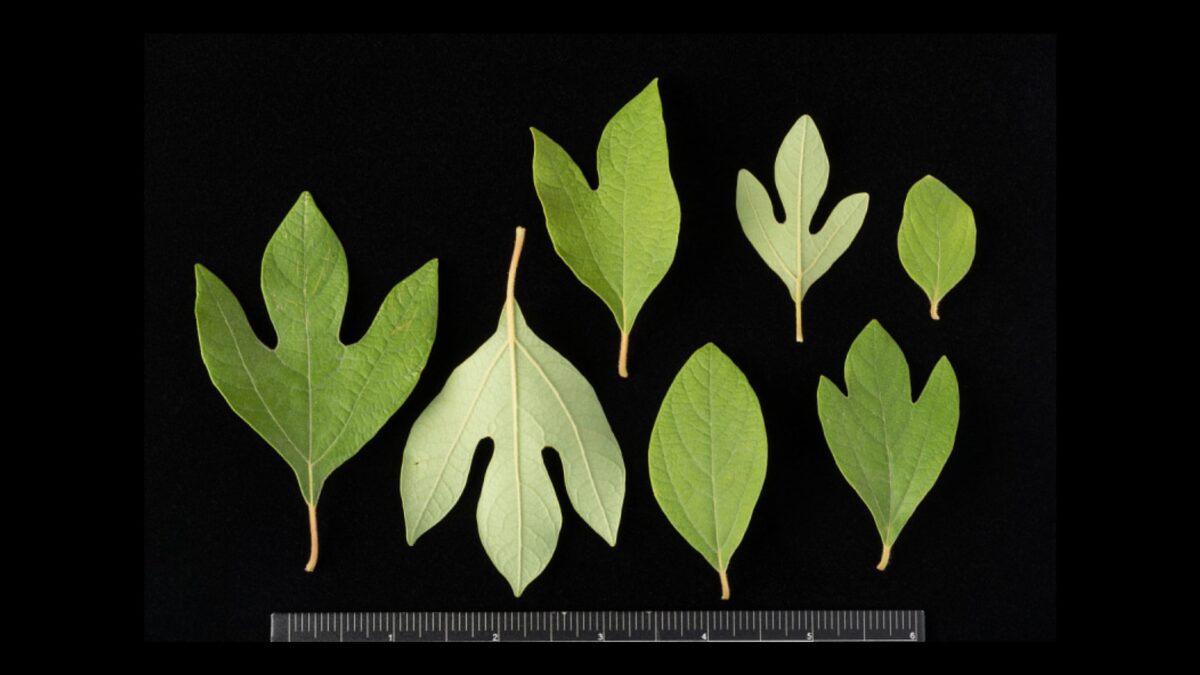
Filé, also known as filé powder or gumbo filé, is a seasoning and thickening agent made from dried and finely ground sassafras leaves.
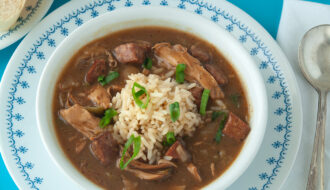
Gumbo is a thick soup that could be considered the signature dish of South Louisiana.
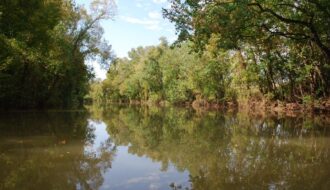
Before railroads and highways, Bayou Teche served as an important transportation route deep into the fertile interior of south-central Louisiana.
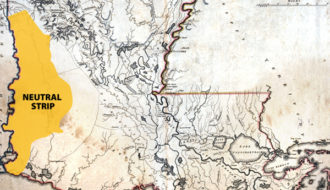
The Neutral Strip existed outside the governance of either the United States or Spain until 1821.
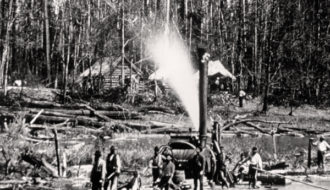
The Great Raft was a thousand-year-old logjam in the Red River that prevented transportation downriver to New Orleans.
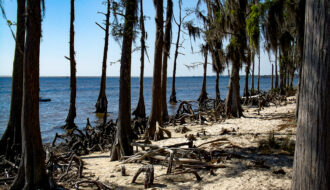
The Fontainebleau State Park bears the name of Bernard de Marigny's sugar plantation, which formerly occupied this site and was itself named after the estate of the French king Francois I.
The South’s first Black newspaper, L’Union was an abolitionist journal that promoted full citizenship rights for men of African descent.
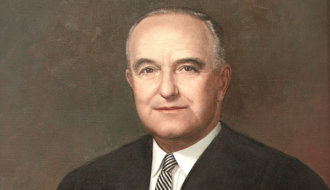
Joe Busbey Hamiter served as the chief justice of the Louisiana Supreme Court for five months in 1970.
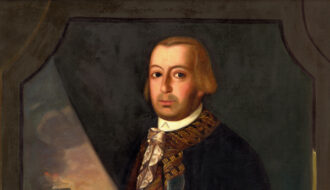
Bernardo de Gálvez, the fourth governor of Spanish Louisiana, is best known for leading Louisiana militiamen against the British during the American Revolution.
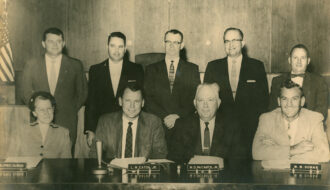
A home rule charter allows local governments to exercise all powers not explicitly denied by state law or constitution.
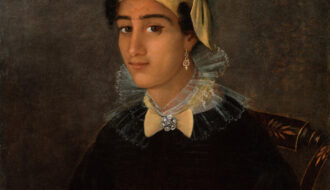
Free people of color constituted a diverse segment of Louisiana’s population and included people that were born free or enslaved, were of African or mixed racial ancestry, and were French- or English-speaking
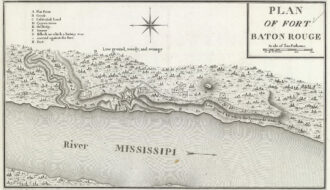
Spanish colonial capture of British forts on the Mississippi River during the American Revolutionary War provided significant strategic and symbolic victories.
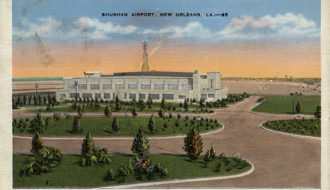
In order to accommodate seaplanes as well as land-based craft, New Orleans's Lakefront Airport was built on land dredged from Lake Pontchartrain to create a site that projects into the lake.
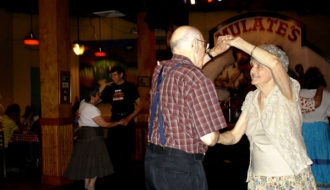
Cajun dance halls–salles de danse– are live music venues where dancing, courtship, and community building transpire.

Rebecca Wells is a novelist, actress, and playwright from central Louisiana.
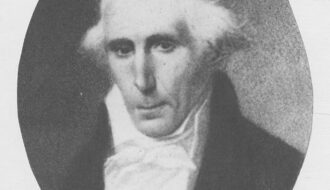
Few other movements in the American literary scene evoke exotic images rivaling those conjured by Louisiana's Creole writers.
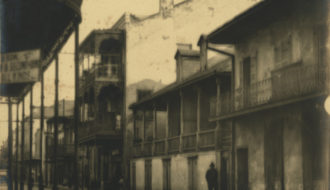
New Orleans has been the subject of literature from the colonial period to the present day.
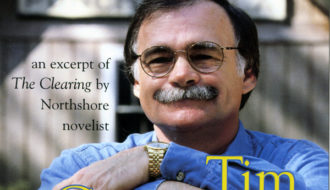
Tim Gautreaux writes critically acclaimed novels and short fiction about Louisiana and Acadian culture.
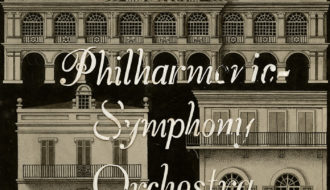
Founded in 1936, the New Orleans Philharmonic Symphony permanently suspended operations in 1991.
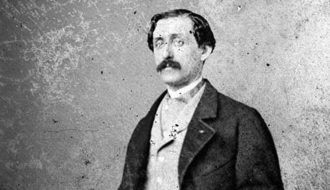
Often cited as the first American composer to gain international recognition, Louis Moreau Gottschalk wrote more than three hundred compositions and earned acclaim as a piano virtuoso.
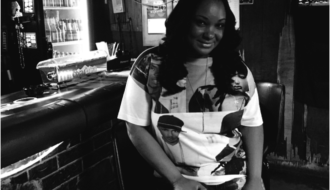
A ground-breaking female rapper
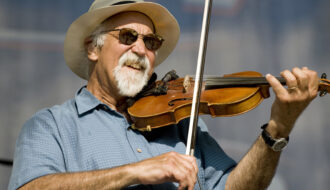
Formed during the Cajun revival of the 1970s, BeauSoleil and its founder, fiddler Michael Doucet, are among Louisiana's most prominent ambassadors of Cajun music and culture.
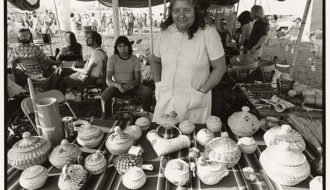
The Coushatta Tribe of Louisiana is the largest of four federally recognized tribal governments in Louisiana.
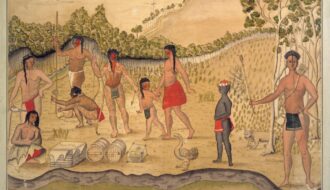
The Ishak are an Indigenous people who have lived in southwest Louisiana and southeastern Texas since precolonial times.
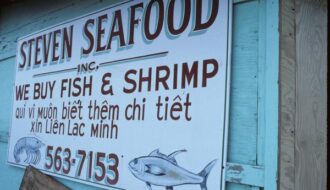
Vietnamese Americans are one of the newest major ethnic groups in Louisiana
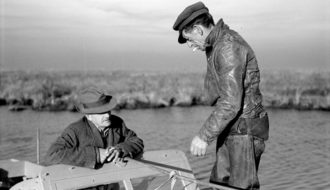
Louisiana's Isleños descend from Canary Islanders who immigrated to the southeastern part of the state in the late 1700s, when Spain ruled the colony.
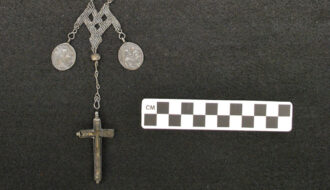
Thousands of New Orleans’s eighteenth-century residents are interred at the site of the St. Peter Street Cemetery in the French Quarter.
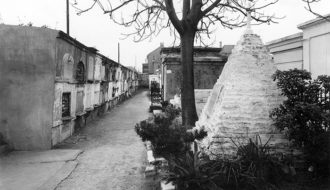
Established in 1789, St. Louis Cemetery No. 1 is the oldest cemetery in the city of New Orleans.
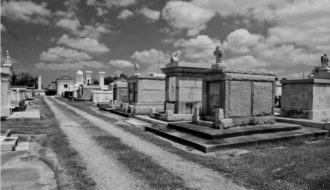
The Cypress Grove Cemetery in New Orleans has a monumental entrance gate suggesting a triumphal passage from one world to the next.
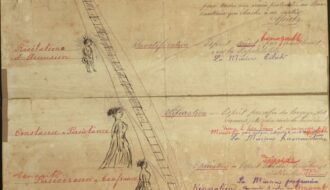
Members of the Cercle Harmonique held séances and received messages from the spirit world in support of Black rights and social equality.
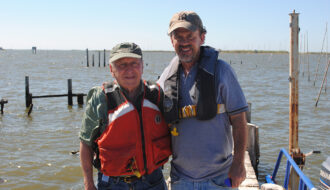
Woody Gagliano sounded the alarm on Louisiana’s coastal land loss crisis and worked with his colleagues for decades to remedy the problem.
Flint-Goodridge Hospital opened in 1896 to serve New Orleans’s Black community and provide medical training for Black nurses and physicians at a time when other hospitals denied services to Black people.
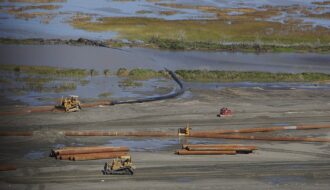
For a state experiencing land loss at an alarming rate, coastal restoration has become an urgent need.
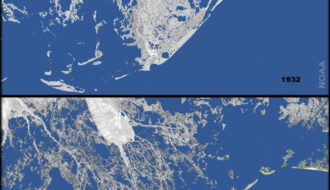
The gradual loss of Louisiana’s coastal wetlands is a slow-moving disaster largely set in motion by a series of human interventions in natural processes.
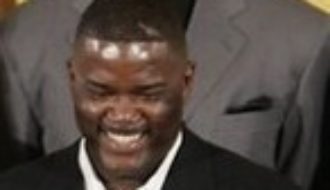
Despite growing up in a region where football was king, Shreveport native Joe Dumars enjoyed a successful career as a player and executive in the NBA.
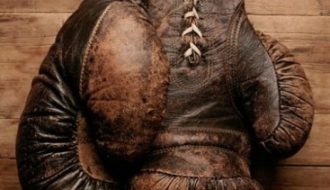
Boxer Joe Brown made his professional debut at age seventeen at the Victory Arena in New Orleans.
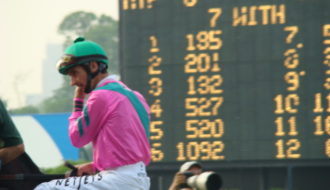
Louisiana jockey Robby Albarado is one of the most successful riders in US horse racing history.
For nearly fifty years, legendary boxing trainer Whitey Esnault trained both neighborhood children and world champions in his French Quarter gym.
One-Year Subscription (4 issues) : $25.00
Two-Year Subscription (8 issues) : $40.00